Children’s Allied Health Services Adelaide
Thrive Health Therapies provides occupational therapy and speech pathology for children and teenagers across metropolitan Adelaide.
Our children’s services are available at our accessible Findon clinic, as well as in homes, schools, kindergartens and other community locations. Telehealth appointments may also be available where appropriate.
Our occupational therapists and speech pathologists provide individualised, family-centred and neuroaffirming support based on each child’s strengths, needs and goals.
Our Children’s Therapy Services
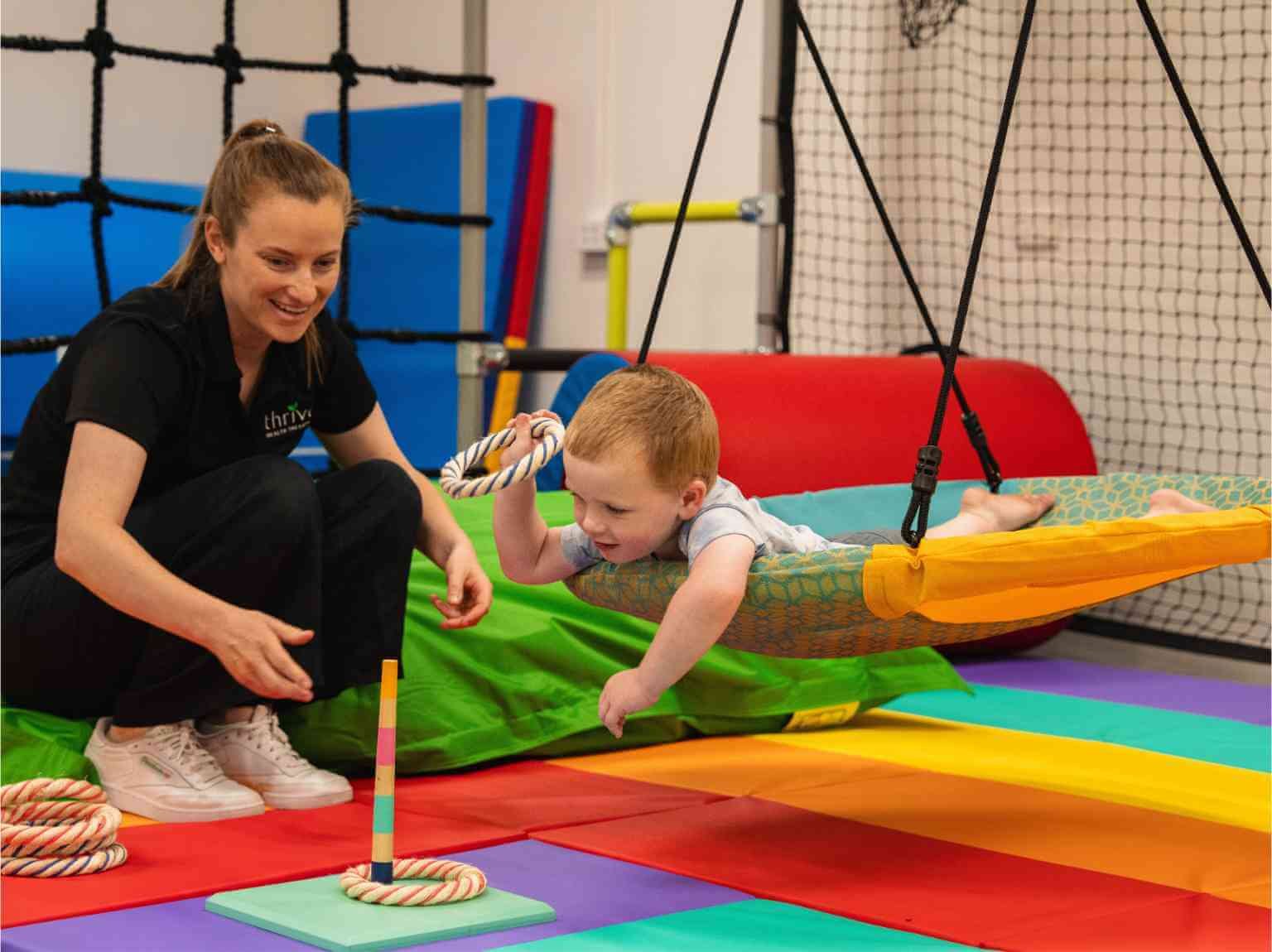
Children develop, communicate, move, learn and participate in different ways. Some children may benefit from support with particular skills or everyday activities, while others may have more complex needs across several areas of development.
Our Adelaide children’s services include:
Children’s occupational therapy
Children’s speech pathology
Assessments and reports
Individual therapy
Parent and carer coaching
School and kindergarten consultation
Home and community-based therapy
Telehealth appointments where appropriate
Collaboration between therapists when a child accesses more than one Thrive service
A child does not always need a formal diagnosis to benefit from occupational therapy or speech pathology.

Children’s Occupational Therapy Adelaide
Children’s occupational therapy helps children and teenagers participate more confidently and independently in everyday activities.
For a child, these activities can include playing, learning, getting dressed, eating, using the toilet, completing schoolwork, managing emotions and participating in family and community life.
Our paediatric occupational therapists can support children with:
Sensory processing
Emotional regulation
Fine motor skills
Handwriting and visual motor skills
Gross motor skills
Balance and coordination
Executive functioning
Attention, planning and organisation
Self-care and daily living skills
Dressing, eating and personal hygiene
Toileting
Play and social participation
School readiness and participation
Interoception and body awareness
Upper limb function
Assistive technology
Home and school environment assessments
Therapy may include play-based activities, movement, skill development, practical strategies, parent coaching, equipment or changes to the child’s environment.
Learn More About Children’s Occupational Therapy
When Might a Child Benefit From Occupational Therapy?
You may consider speaking with an occupational therapist if your child:
Finds dressing, eating, toileting or other daily activities difficult
Becomes overwhelmed by sounds, textures, movement or busy environments
Has difficulty recognising or regulating emotions
Finds handwriting, drawing, cutting or using utensils challenging
Has difficulty with balance, coordination or playground activities
Finds it hard to begin tasks, follow routines or stay organised
Needs support to participate at school or kindergarten
Has difficulty developing independence for their age
Would benefit from changes to their environment or assistive equipment
These signs do not necessarily mean something is wrong. An occupational therapy assessment can help identify your child’s strengths, understand the activities they find difficult and determine whether support may be helpful.
Children’s Speech Pathology Adelaide
Children’s speech pathology supports the skills children use to communicate, interact, learn, eat and drink.
Our paediatric speech pathologists can assess and support:
Speech sounds and speech clarity
Understanding spoken language
Using words and sentences
Expressing thoughts, needs and ideas
Stuttering and fluency
Early communication development
Play and interaction
Social communication
Literacy, reading, spelling and writing
Augmentative and alternative communication
Multimodal communication
Feeding development
Chewing and managing different food textures
Swallowing difficulties
Support is tailored to the child’s age, communication style, strengths and goals. Therapy may involve structured activities, play-based learning, visual supports, communication systems, parent coaching or strategies for use at home, school and kindergarten.
Learn More About Children’s Speech Pathology
When Might a Child Benefit From Speech Pathology?
You may consider speaking with a speech pathologist if your child:
Is difficult for family members or other people to understand
Has difficulty producing particular speech sounds
Uses fewer words or shorter sentences than expected
Has difficulty understanding questions or following instructions
Becomes frustrated when trying to communicate
Repeats sounds or words, prolongs sounds or becomes stuck when speaking
Finds conversations or social communication challenging
Has difficulty learning to read, write or spell
Uses limited speech and may benefit from another communication method
Has difficulty chewing, swallowing or managing food textures
Has experienced a change in their communication, feeding or swallowing abilities
Children develop at different rates. A speech pathology assessment can help clarify your child’s strengths, identify their support needs and provide practical recommendations.
Where We Provide Children’s Services
Our Findon Clinic
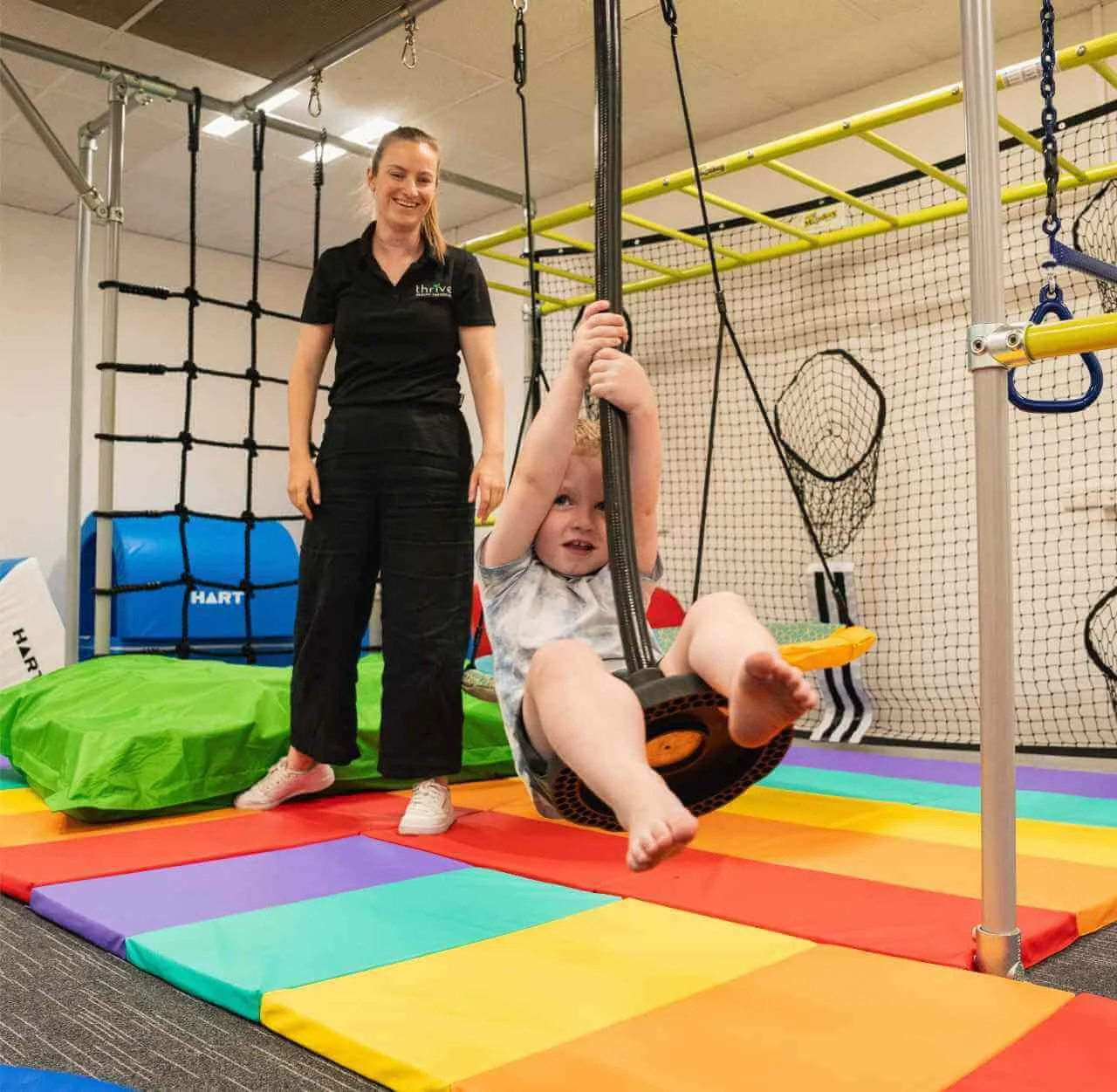
Our paediatric spaces include engaging therapy equipment and resources that can be adapted to different ages, interests and therapy goals. Clinic appointments may be helpful for children who benefit from access to specialised equipment or a consistent therapy environment.
Your home
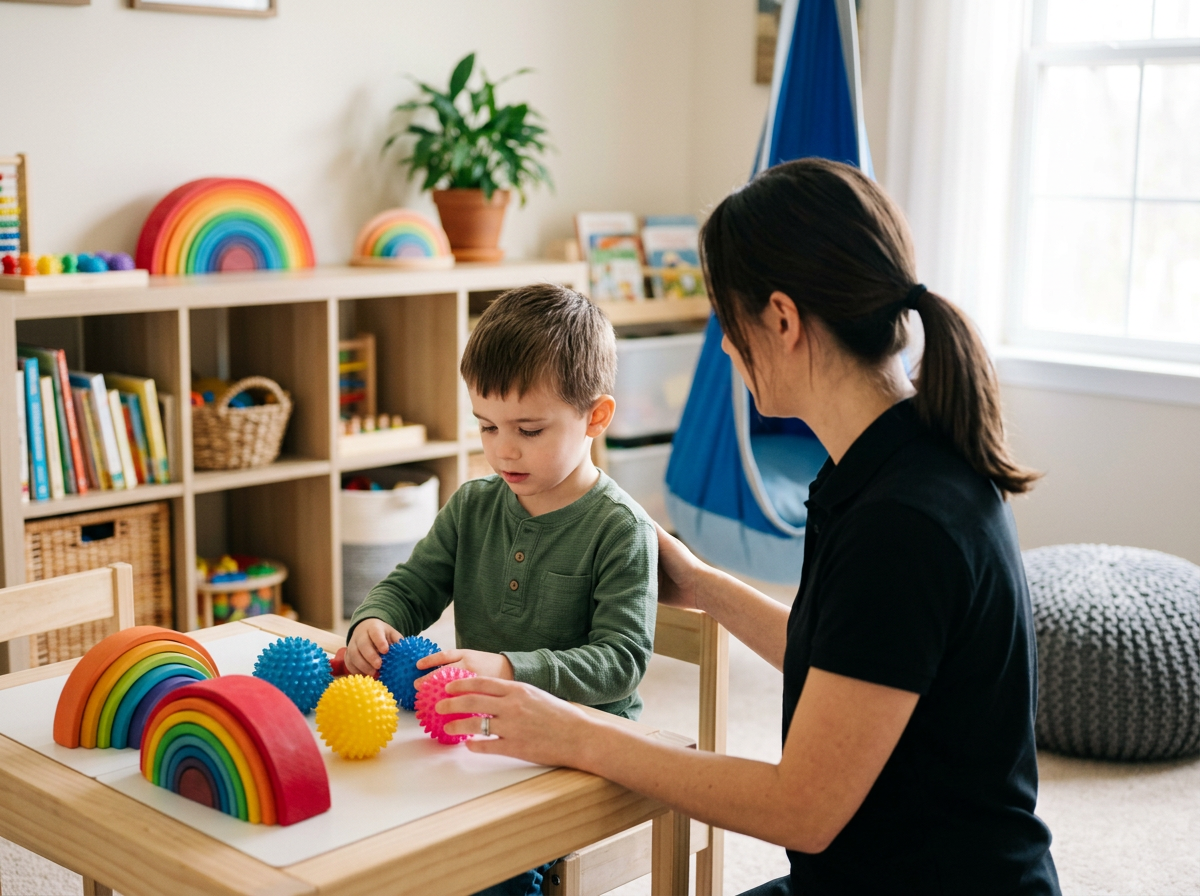
Our occupational therapists and speech pathologists provide home-based therapy across metropolitan Adelaide. Home visits allow children to practise everyday skills and routines in a familiar environment using the equipment and spaces available to them.
Mobile therapy across Adelaide

Our occupational therapists and speech pathologists provide therapy in homes, schools, kindergartens and community settings across metropolitan Adelaide. This allows children to practise strategies within their everyday environments.
Via telehealth

Where clinically appropriate, appointments can be provided by secure video call. Telehealth may be useful for exercise reviews, education, symptom-management advice, carer guidance and follow-up when an in-person appointment is not required.
Our Approach to Children’s Therapy
Every child communicates, learns, moves and experiences the world differently. Our therapists take the time to understand each child’s strengths, interests, communication preferences, needs and priorities.
Therapy focuses on practical and meaningful goals rather than following a one-size-fits-all program. Depending on the child, sessions may involve play, movement, structured activities, skill development, environmental changes, visual supports, communication systems or parent coaching.
Our approach is:
Individualised: Therapy reflects the child’s particular strengths, needs and goals.
Family-centred: Parents and carers are involved in decisions and provided with practical strategies.
Neuroaffirming: We respect different ways of thinking, communicating, learning and experiencing the world.
Strengths-based: We build on what the child can already do and the interests that motivate them.
Practical: Strategies are designed to work within everyday activities and routines.
Collaborative: With consent, therapists can work with educators, support workers and other health professionals.
Inclusive: We welcome children, teenagers and families of all backgrounds, genders, sexualities, cultures and abilities.
Our goal is to support each child’s participation, wellbeing, autonomy and confidence without asking them to hide or change who they are.

Occupational Therapy and Speech Pathology Together
Some children benefit from support from both an occupational therapist and a speech pathologist.
For example, a child may need support with sensory regulation and daily routines as well as language and communication. Another child may have feeding needs involving both the physical, sensory and functional aspects of mealtimes.
When a child accesses more than one Thrive service, our therapists can collaborate with the family’s consent. This can help ensure goals and strategies complement one another and remain practical for the child, family and educators.
Children do not need to access both services. Each referral is considered individually according to the child’s needs and the family’s priorities.
Children’s Assessments and Reports
Depending on your child’s needs and funding requirements, our occupational therapists and speech pathologists may provide:
Initial occupational therapy assessments
Speech and language assessments
Sensory assessments
Fine motor and visual motor assessments
Daily living and self-care assessments
Social communication assessments
Literacy and phonological awareness assessments
Feeding assessments
Swallowing assessments
AAC and multimodal communication assessments
Functional capacity assessments
Assistive technology assessments
Home, school and kindergarten observations
Progress reports
NDIS reports
Not every child requires a formal or standardised assessment. Your therapist will discuss the most appropriate approach before proceeding.
Who Do Our Children’s Therapists Support?
Our occupational therapists and speech pathologists work with children and teenagers with a broad range of developmental, communication, sensory, physical and functional needs.
This may include children with:
Autism
Attention deficit hyperactivity disorder
Developmental delay
Developmental language disorder
Speech sound difficulties
Intellectual disability
Learning difficulties
Developmental coordination disorder
Cerebral palsy
Down syndrome and other genetic conditions
Physical or neurological conditions
Sensory processing differences
Complex communication needs
Feeding or swallowing difficulties
A child does not always need a diagnosis to access therapy. Families can contact us directly if they have concerns about their child’s communication, development, sensory experiences or participation in everyday activities.

Meet our paediatric occupational therapists

Renee Romeo (she/her)
Clinical Director/Senior Occupational Therapist
Renee has 18 years experience working as an OT with paediatric clients. She works with children with Autism, Attention Deficit Hyperactive Disorder, developmental disorders, genetic disorders, learning difficulties and other developmental areas. As our Clinical Director, Renee provides guidance and training to our therapists and is the first point of call to answer any clinical enquiries from clients, parents and other informal and formal supports. Outside work Renee enjoys cycling, surfing and spending time with her family.
-
Age Groups: Children
Service Locations: Findon Clinic & throughout metropolitan Adelaide
Therapy Services: Ongoing therapy, functional capacity assessments
Clinical Expertise In:
Autism
ADHD
Learning difficulties
Developmental disorders
Genetic disorders

Gabrielle Brunton (she/her)
Senior Occupational Therapist
Gabi completed a Bachelor of Health Science in 2020 and a Master of Occupational Therapy in 2022. She has gained experience working across both hospital and community settings. Gabi is passionate about improving access to health services in regional and rural communities and supporting people to participate in activities that are meaningful to them. She enjoys working collaboratively with clients to understand their individual priorities and develop practical strategies that support their goals. Outside of work, you’ll find Gabi at the beach, spending time with her family and kelpie, or enjoying cooking.
-
Gabrielle provides support across the following:
Age Groups: Adults & Teenagers
Service Locations: Findon Clinic & throughout metropolitan Adelaide
Therapy Services: Functional capacity, assistive technology, manual handling & home modification assessments
Clinical Expertise In:
Neurological disorders: stroke, TBI, MS, Parkinson’s disease, SCI, dementia & cerebral palsy
Autism
Intellectual Disabilities
Dementia & Aging
Mental Health Conditions
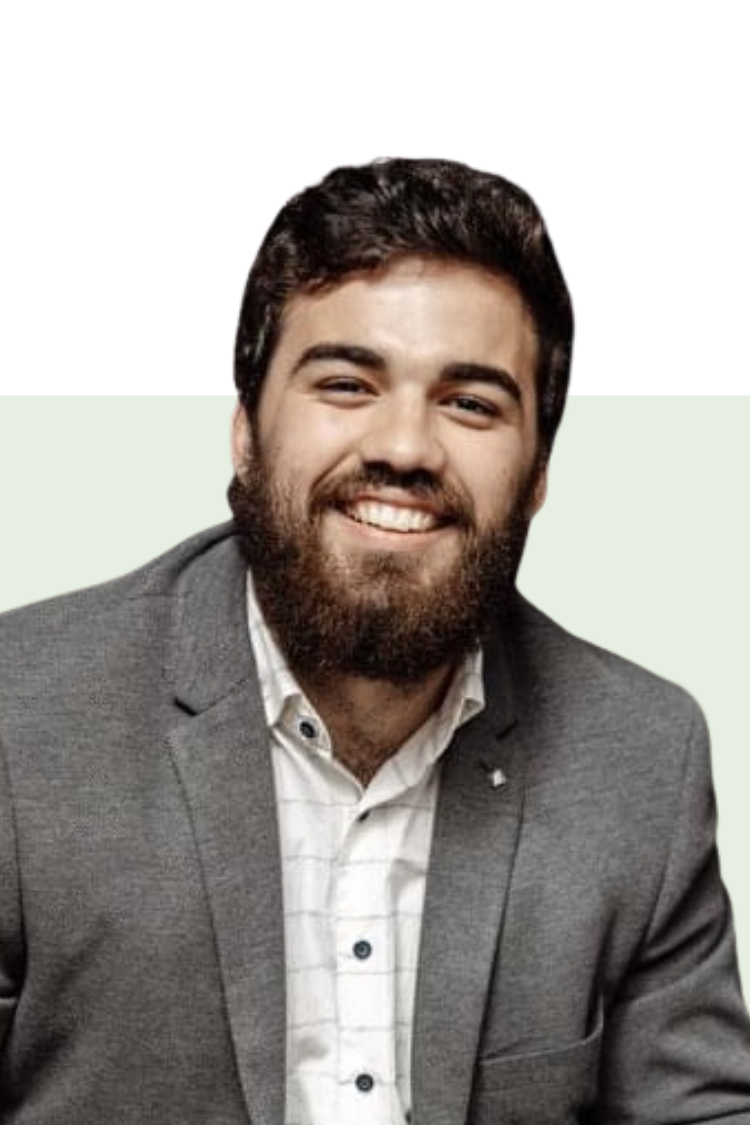
Chris Kopsaftis (he/him)
Senior Occupational Therapist
Chris completed a Bachelor of Occupational Therapy (Honours) at the University of South Australia. He has worked across metropolitan and regional South Australia and remotely in the Northern Territory, supporting people with physical, cognitive and psychosocial needs. His experience includes ongoing therapy, complex home modifications and assistive technology prescription to improve independence, safety and confidence. Chris provides holistic, person-centred support to NDIS, My Aged Care, DVA and private clients. He has experience working across the lifespan, from children aged six through to older adults in their nineties.
-
Chris provides support across the following:
Age Groups: Adolescents/Adults
Service Locations: Metropolitan suburbs of Adelaide
Therapy Services: Functional capacity, assistive technology, manual handling, home modification assessments and daily living supports.
Clinical Expertise In:
Neurodevelopmental Disorders (ASD, ADHD, FASD, Intellectual disabilities, down syndrome and learning disorders)
Physical and neurological disabilities (Dementia, Stroke, ABI, MS, CP, Muscular Dystrophy, Huntington’s and Parkinson’s Disease)
Psychosocial disabilities (BPD, OCD, schizophrenia and schizoaffective disorder.
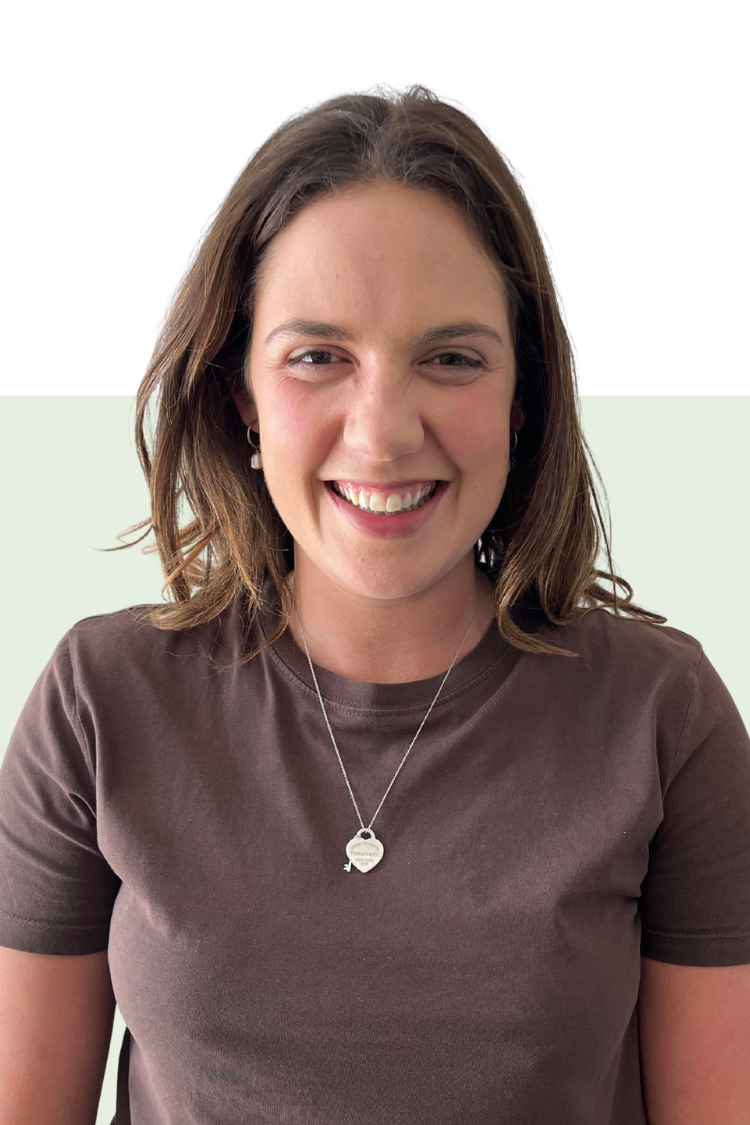
Elise Vaughan (she/her)
Occupational Therapist
Elise is a compassionate Occupational Therapist with experience supporting children and adults with varied disabilities, including complex trauma. She provides 1:1 assessment and intervention, conducts formal and informal assessments, and supports families through parent and carer education. Elise has undertaken further professional development in areas including toilet training and mental health. She creates neurodiversity-affirming and trauma-informed environments where young people feel safe, supported, and understood. Outside of work, she enjoys Pilates, wakeboarding and catching up with friends and family.
-
Elise provides support across the following:
Age Groups: Children & Adults
Service Locations: Findon Clinic & metropolitan Adelaide
Therapy Services: Ongoing therapy, functional capacity assessments, sensory processing assessments
Clinical Expertise In:
Neurodivergent Support (including autism, ADHD, PDA, sensory processing disorders)Developmental difficulties
Intellectual disabilities
Mental Health
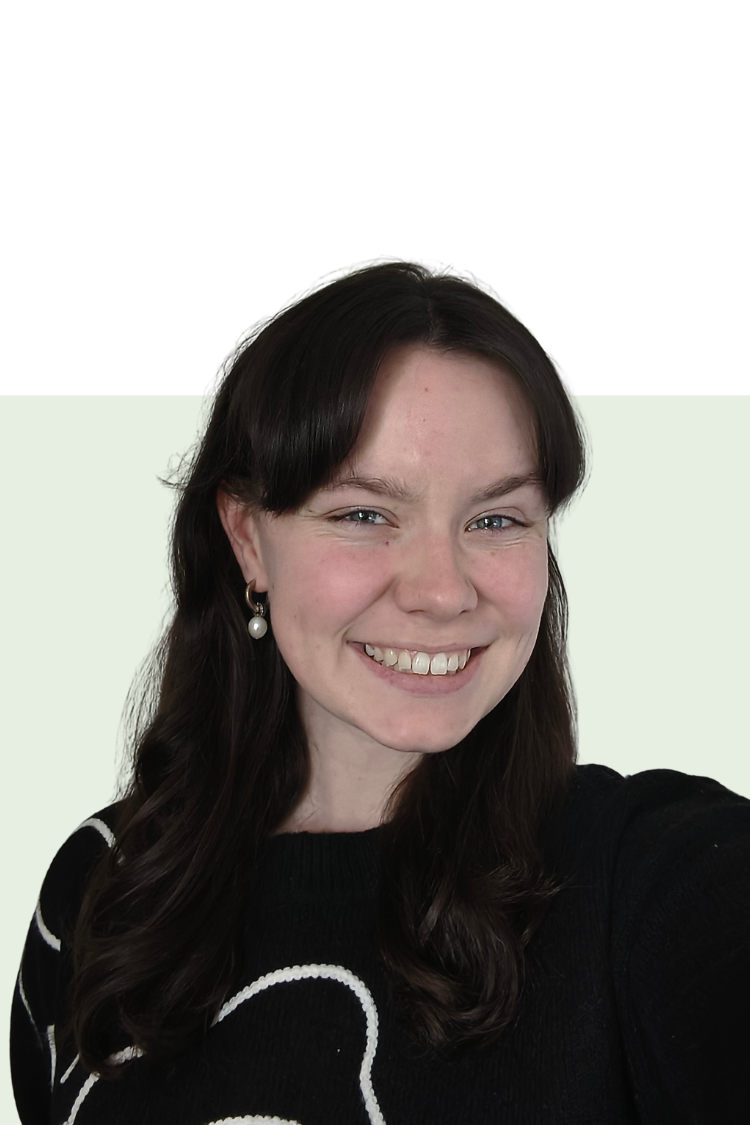
Dominque Sherratt (she/her)
Occupational Therapist
Dominique is an occupational therapist with experience across the disability and community sectors. She supports people to build independence, choice and meaningful participation through a client-centred, neuroaffirming and trauma-informed approach. Dominique works collaboratively with clients, families and multidisciplinary teams to identify strengths, reduce barriers and support participation at home and in the community. She has managed complex caseloads across regional and metropolitan South Australia, with a focus on NDIS supports, functional capacity assessments and capacity-building interventions.
-
Dominque provides support across the following:
Age Groups: Paediatrics and Adults
Service Locations: Based in Findon office, provides services in home and school environments across Northern and Western suburbs of Adelaide.
Therapy Services: Functional capacity assessment, ongoing occupational therapy intervention across home, school and community environments.
Clinical Expertise In: Neurodevelopmental Disorders (ASD, ADHD, Intellectual disabilities and learning disorders)
Trauma informed care
Family coaching
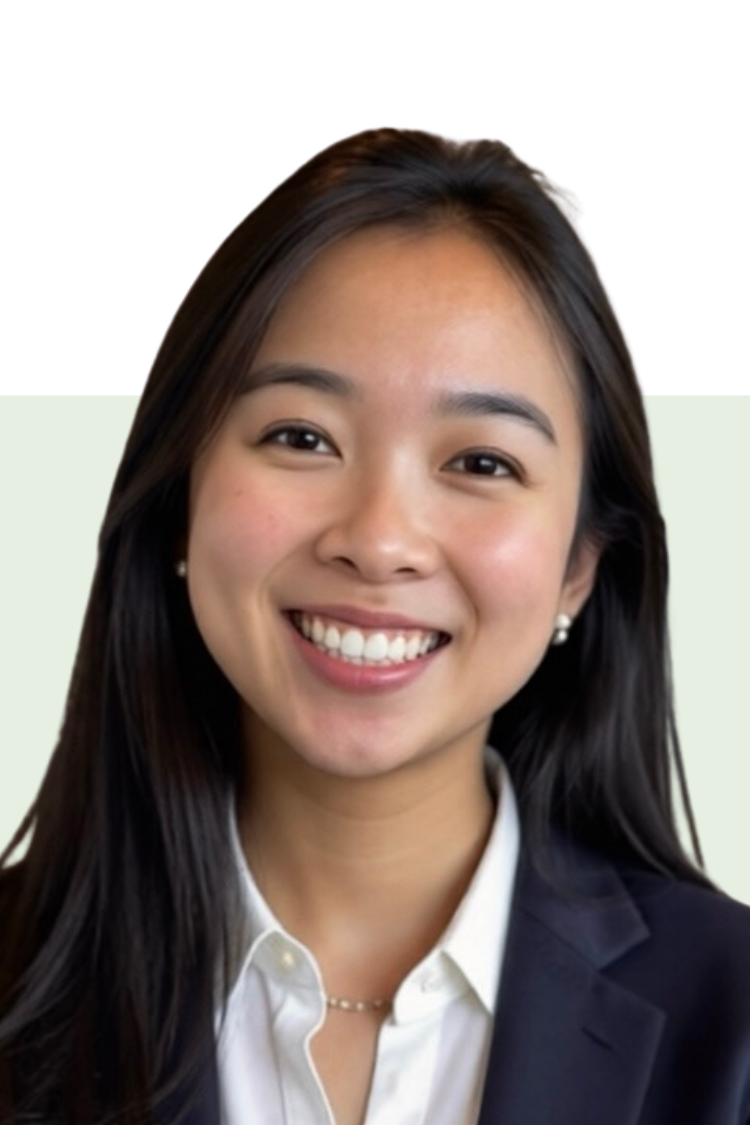
Caitlyn Yeo (she/her)
Occupational Therapist
Caitlyn graduated with a Bachelor of Occupational Therapy (Honours) from the University of South Australia in 2021. She has experience supporting children across clinic, school, home, and community settings. Caitlyn is passionate about helping children feel confident and capable in their everyday routines, with particular interest in sensory processing, emotional regulation, daily living skills, and social participation. She is dedicated to providing individualised, neurodiversity‑affirming, trauma‑informed support in collaboration with families, educators, and other professionals.
-
Caitlyn provides support across the following:
Age Groups: Children & Adolescents
Service Locations: Clinic, home, and school visits across Adelaide (including western, inner northern and eastern suburbs)
Therapy Services:
Comprehensive Occupational Therapy intervention
Standardised and observational assessments
Functional capacity assessments
Sensory processing assessments
School consultation, observation, and program planning
Caregiver education and strategy development
Clinical Expertise In:
Autism & Neurodivergent Support
ADHD
Sensory Processing Differences
Emotional Regulation
Developmental delays
Trauma-informed practice
Social Participation & Peer Relationships
Daily Living & Independence Skills
School Readiness & Participation
Family-Centred & Strengths-Based Practice
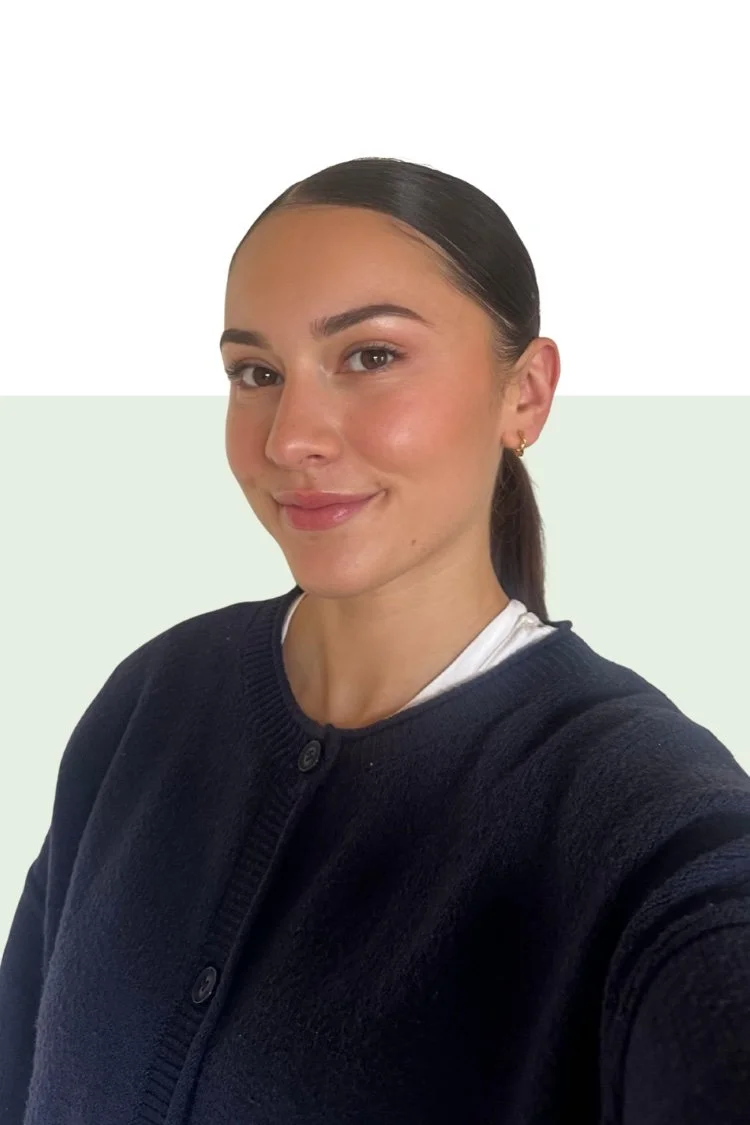
Emily Ielasi (she/her)
Occupational Therapist
Emily is an Occupational Therapist dedicated to helping children build independence, confidence, and participation in everyday activities. She has experience in both clinic and school settings, supporting children to develop motor skills, sensory processing, self-care, social participation, and emotional regulation. Currently completing a Postgraduate Certificate in Autism Studies at Griffith University, she continues to expand her expertise in inclusive education, neurodiversity, sensory and behavioural supports, and person-centred practice. Emily has also completed training in attachment-based and trauma-informed approaches. Outside of work, she enjoys staying active, cooking, and spending time with family and friends.
-
Emily provides support across the following:
Age Groups: Children
Service Locations: Findon Clinic & northern and western suburbs
Therapy Services: Ongoing therapy, functional capacity assessments, sensory processing assessments
Clinical Expertise In:
Autism, ADHD, Sensory processing and regulation
Emotional wellbeing
Developmental difficulties
Trauma-Informed Practice
Neurodivergent Support (including PDA, sensory processing disorders)
Social Participation & Peer Relationships
Self-Regulation & Coping Strategies
School & Community Integration
Meet our Children’s Speech Pathologists

Caine De Ryke (he/him)
Senior Speech Pathologist
Caine graduated from Flinders University with a Bachelor of Speech Pathology in 2020. Since then he’s been providing therapy to both children and adults across a wide range of disabilities and conditions. Coming from years of working as a rural generalist, Caine has experience in providing comprehensive assessment and individualised therapy for children and adults across a wide range of areas including speech, language, literacy, feeding and dysphagia. In his spare time, Caine enjoys surfing, woodworking and gaming.
-
Caine provides support across the following:
Age Groups: Children & Adults
Service Locations: Findon Clinic & southern suburbs of Adelaide
Therapy Services: Ongoing therapy, speech & language assessments, swallowing assessments
Clinical Expertise In:
Autism
ADHD
Learning difficulties
Developmental disorders
Genetic disorders
Neurological disorders: stroke, TBI, MS, Parkinson’s disease, SCI, dementia & cerebral palsy

Lara Williams (she/her)
Senior Speech Pathologist
Lara graduated with a Bachelor of Speech Pathology (Honours) from Flinders University in 2021. She has experience working with both children and adults across clinic and community settings. Lara has a strong passion for paediatrics, with particular interest in speech sound disorders, early intervention, childhood apraxia of speech (CAS), literacy, language, and AAC. She is committed to providing individualised, neurodiversity-affirming, evidence-based therapy in collaboration with families, educators, and other professionals. Lara enjoys travelling, exploring new restaurants, and winding down with a good movie.
-
Lara provides support across the following:
Age Groups: Children & Adults
Service Locations: Findon Clinic & throughout metropolitan Adelaide
Therapy Services: Ongoing therapy, speech & language assessments, swallowing assessments
Clinical Expertise In:
Autism
ADHD
Learning difficulties
Developmental disorders
Genetic disorders
Neurological disorders: stroke, TBI, MS, Parkinson’s disease, SCI, dementia & cerebral palsy
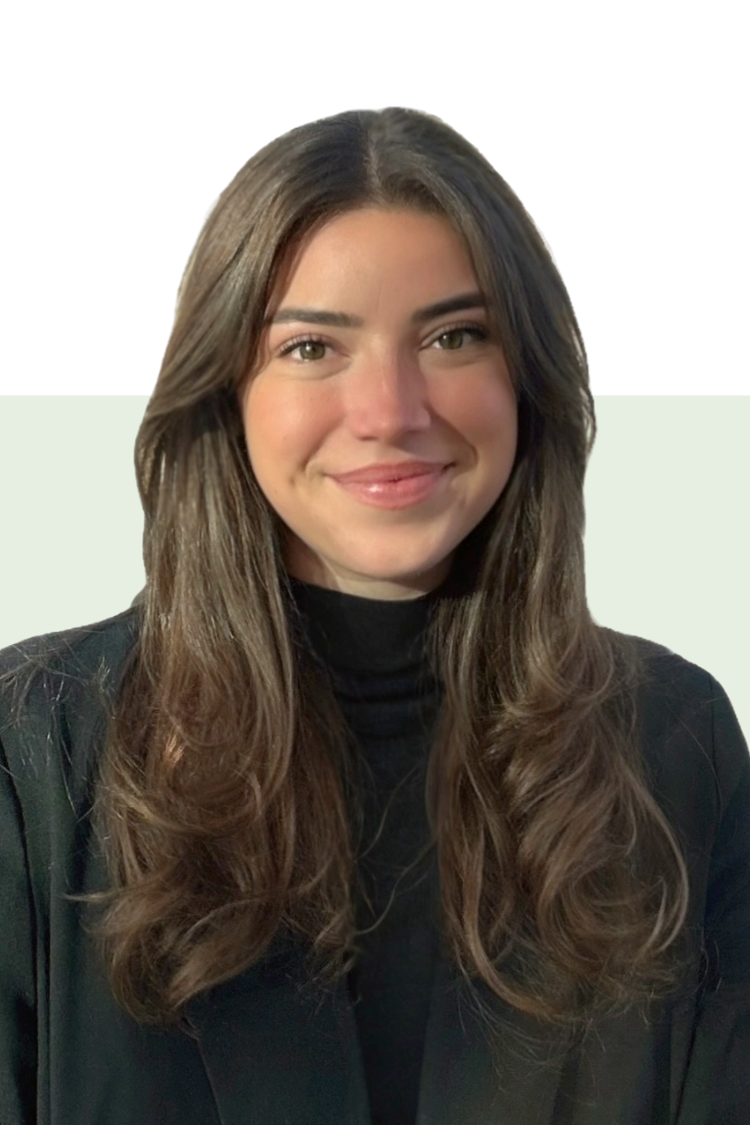
Shakira Marin (she/her)
Senior Speech Pathologist
Shakira has experience providing adult and paediatric assessment and intervention across a range of practice areas in both clinic and community settings. She has a strong passion for working across the lifespan, with experience in dysphagia and mealtime management, motor speech and voice therapy, AAC, cognitive-communication and neurorehabilitation. She is committed to delivering individualised, neurodiversity-affirming, evidence-based therapy in collaboration with clients, families, educators, and other professionals to support meaningful outcomes.
-
Shakira provides support across the following:
Age Groups: Children & Adults
Service Locations: Findon Clinic & metropolitan Adelaide
Therapy Services: Ongoing therapy, speech & language assessments, swallowing assessments
Clinical Expertise In:Autism
ADHD
Learning difficulties
Developmental disorders
Genetic disorders
Neurological disorders: stroke, TBI, MS, Parkinson’s disease, SCI, dementia & cerebral palsy
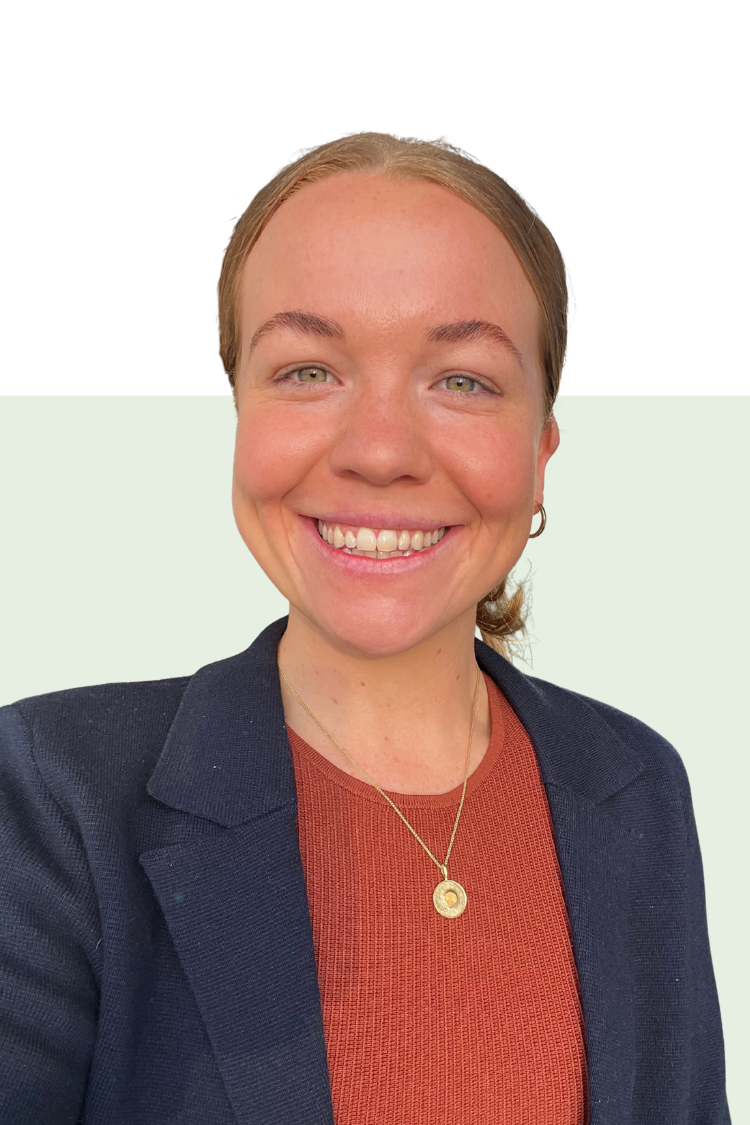
Tess Salter (she/her)
Speech Pathologist
Tess graduated with a Bachelor of Speech Pathology from Southern Cross University in 2023. With a strong passion for early intervention and supporting children to communicate in ways that reflect their individual strengths and interests, she uses her experience in speech, literacy, early language development, and AAC to offer comprehensive support. Tess has experience working with children across clinic, school, home, telehealth and community settings and is committed to providing neurodiversity-affirming, evidence-based, family-centred therapy. Outside of work, Tess enjoys reading, exploring cafés and restaurants, and practising/teaching yoga.
-
Tess provides support across the following:
Age Groups: Infants, Children & Adolescents
Service Locations: Home, School, Clinic, Community & Telehealth
Therapy Services: Ongoing therapy, speech and language assessments, early intervention
Clinical Expertise In:
Neurodivergent Support (including autism, ADHD, PDA, sensory processing disorders)
Developmental difficulties
Intellectual disabilities
Mental Health
Learning Difficulties
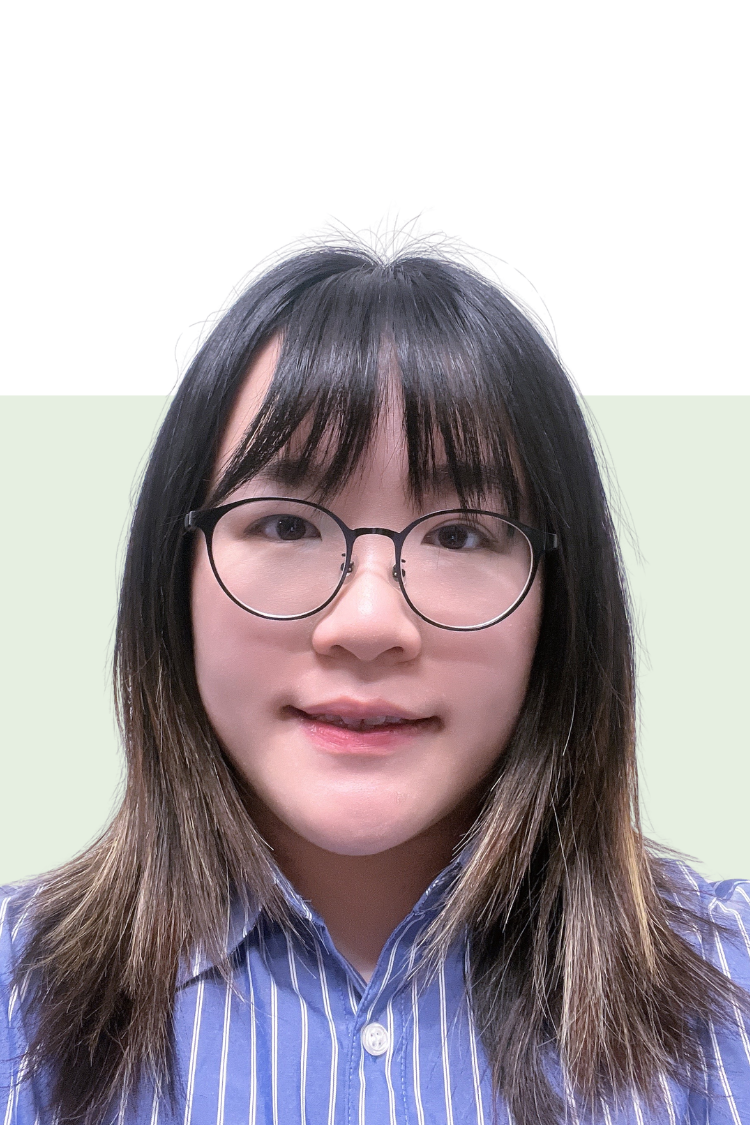
Vincy Chan (she/her)
Speech Pathologist
Vincy graduated from Flinders University with a Bachelor of Speech Pathology in 2022. She has extensive experience supporting children and adults with diverse disabilities and is passionate about creating meaningful change across the lifespan. Her primary clinical interests include early intervention, speech sound disorders, language, literacy, AAC, and paediatric feeding development. Committed to providing neurodiversity-affirming, evidence-based care, Vincy collaborates closely with families, educators, and multidisciplinary professionals. Vincy enjoys travelling, crocheting, and watching K-dramas.
-
Vincy provides support across the following:
Age Groups: Children & Adults
Service Locations: Findon Clinic & metropolitan Adelaide
Therapy Services: Ongoing therapy, speech & language assessments, swallowing assessments.
Clinical Expertise In:
- Autism
- ADHD
- Learning difficulties
- Developmental disorders
- Genetic disorders
- Neurological disorders: stroke, TBI, - MS, Parkinson’s disease, SCI, dementia & cerebral palsy
Funding for Children’s Services
Thrive Health Therapies welcomes children accessing occupational therapy and speech pathology through:
The National Disability Insurance Scheme (NDIS)
Private health insurance
Private funding
GP Chronic Condition Management Plan (GPCCMP)
Funding availability depends on your individual plan, policy or eligibility.
A GP referral is not required for NDIS-funded or privately funded services. An appropriate GP referral and care plan are required to claim eligible Medicare rebates through a GPCCMP.
Why Families Choose Thrive Health Therapies
Occupational therapy and speech pathology: Families can access both services through one Adelaide allied health provider.
Flexible appointment locations: Services are available at our Findon clinic, at home, in schools, kindergartens and community settings, and via telehealth where appropriate.
Dedicated children’s therapy spaces: Our Findon clinic includes engaging equipment and flexible spaces for different therapy goals.
Individualised support: Therapy is based on each child’s strengths, needs, interests and goals.
Neuroaffirming practice: We respect different communication styles, sensory experiences and ways of engaging with the world.
Family-centred care: Parents and carers are included in planning and supported with practical strategies.
Collaboration: With consent, our therapists can work with educators and other health professionals.
Inclusive services: We welcome and value children and families of all backgrounds.

Frequently Asked Questions About Children’s Services
If you can’t find the answer you’re looking for, contact our friendly team on 0474 248 081 or email enquiries@thrivehealththerapies.com.
-
Thrive Health Therapies provides occupational therapy and speech pathology for children and teenagers across Adelaide. Services include assessments, individual therapy, parent coaching, school and kindergarten consultation, reports and practical strategies for everyday activities.
-
Appointments are available at our Findon clinic and in homes, schools, kindergartens and community settings across metropolitan Adelaide. Telehealth may also be available where clinically appropriate.
-
No. A child does not always need a formal diagnosis to benefit from occupational therapy or speech pathology. Funding providers may have separate eligibility requirements.
-
Occupational therapy may be appropriate when sensory processing, emotional regulation, movement, self-care, play, learning or everyday routines are difficult.
Speech pathology may be appropriate when a child has difficulty with speech, language, communication, literacy, fluency, feeding or swallowing.
If you are unsure, contact our team and tell us about your concerns. We can help direct your referral to the most appropriate service.
-
Yes. Some children access both services, while others only need support from one discipline. With your consent, Thrive’s occupational therapists and speech pathologists can collaborate when this would benefit your child.
-
Yes, where appropriate. School and kindergarten appointments depend on the therapist’s availability, your location and approval from the education provider.
-
Yes. Telehealth occupational therapy and speech pathology may be available where clinically appropriate. It can be particularly useful for parent coaching, program reviews, consultation and some therapy activities.
-
Yes. We provide occupational therapy and speech pathology to NDIS participants when the requested service relates to the child’s needs, goals and available funding.
-
A referral is not usually required for privately funded or NDIS-funded services. Families can refer their child directly. A GP referral and care plan are required to claim eligible Medicare rebates.
-
Parents, carers, support coordinators and health professionals can complete our online paediatric referral form. If you would prefer to discuss your child’s needs first, call us on 0474 248 081 or email enquiries@thrivehealththerapies.com
Ready to get started?
It’s easy!
Referral Form
Fill out our easy online referral form and we’ll be in touch!