NDIS Functional Capacity Assessments Adelaide
Thrive Health Therapies provides Functional Capacity Assessments for NDIS participants across Adelaide. Our experienced occupational therapists assess how a person’s disability affects their everyday activities, independence, safety and participation.
The assessment and report provide evidence about the participant’s functional abilities, support needs and goals. Where appropriate, the report may include recommendations for therapy, personal support, assistive technology, home modifications or Home and Living supports.
Appointments are available in homes and community settings across metropolitan Adelaide, at our accessible Findon clinic and via telehealth where clinically appropriate.

Functional Capacity Assessments at a Glance
Completed by: Experienced occupational therapists
Who we assess: Children, teenagers and adults with a range of disabilities
What we assess: Daily activities, mobility, cognition, communication, self-care, relationships and community participation
Where assessments are available: At home across metropolitan Adelaide, at our Findon clinic and via telehealth where appropriate
Reports may support: NDIS planning, plan reassessment, changes in circumstances and Home and Living requests
Assessment approach: Individualised assessment using interviews, observation, relevant documentation and standardised measures where appropriate.
What Is an NDIS Functional Capacity Assessment?
A Functional Capacity Assessment, commonly called an FCA, is a comprehensive occupational therapy assessment that examines how a person manages everyday activities and how their disability affects their independence, safety and participation.
The occupational therapist considers the person’s strengths, current abilities, support needs, environment and goals. This information is used to prepare a detailed report describing the functional impact of the person’s disability and providing evidence-based recommendations.
A Functional Capacity Assessment may be requested to support:
NDIS planning or plan reassessment
A change in circumstances
Review of current supports
Therapy and capacity-building recommendations
Assistive technology or equipment needs
Home modification recommendations
Home and Living requests
Understanding the level of formal and informal support required
An FCA provides evidence to inform NDIS decision-making. It does not guarantee that the NDIA will approve a particular support or level of funding.
How Can a Functional Capacity Assessment Help?
A Functional Capacity Assessment can:
Describe what a person can do independently and where assistance is required
Explain how disability affects daily activities and participation
Identify current formal, informal and community supports
Assess whether existing supports are meeting the person’s needs
Identify risks affecting safety, independence or wellbeing
Recommend therapy, personal support or capacity-building services
Identify potential assistive technology or home modification needs
Provide evidence relevant to NDIS planning or plan reassessment
Inform Home and Living requests where a specialised assessment is appropriate
Our occupational therapists provide detailed reports that connect assessment findings and recommendations to the participant’s disability-related needs and NDIS goals.
What Does a Functional Capacity Assessment Consider?
A Functional Capacity Assessment considers the whole person rather than focusing only on their diagnosis. The areas assessed will depend on the participant’s age, circumstances, goals and reason for referral.
The assessment may explore:
Personal Care: Showering, dressing, grooming, toileting, eating and managing other personal care activities.
Domestic Activities: Preparing meals, cleaning, laundry, shopping and managing household responsibilities.
Mobility: Walking, transfers, stairs, positioning and moving safely through different environments.
Cognition: Memory, attention, planning, organisation, problem-solving, learning and decision-making.
Communication: Understanding information, expressing needs and communicating with other people.
Emotional Regulation: Recognising and managing emotions and responding to the demands of everyday situations.
Sensory Processing: How sensory experiences affect comfort, regulation and participation in everyday activities.
Social and Community Participation: Relationships, recreation, appointments, accessing services and participating in the community.
Education and Employment: Participation in school, study, volunteering or paid employment.
Safety and Risk: Awareness of hazards, vulnerability and the support required to remain safe at home and in the community.
Current Supports: Formal services, assistance from family or friends, community supports and assistive technology.
Home and Living Needs: The suitability of the person’s current environment and the level of daily assistance or supervision they require.
Types of Functional Capacity Assessments We Provide
General Functional Capacity Assessment
A comprehensive assessment of everyday functioning, current supports and disability-related needs.
The report may include recommendations for therapy, capacity building, personal support, assistive technology, home modifications or other appropriate services.
Psychosocial Functional Capacity Assessment
A Psychosocial Functional Capacity Assessment examines how psychosocial disability affects a person’s ability to manage everyday activities.
The assessment may consider:
Personal care and daily routines
Motivation and task initiation
Planning and organisation
Memory and concentration
Emotional regulation
Decision-making
Relationships and communication
Community participation
Work, education or volunteering
Managing appointments, finances and household responsibilities
Current formal and informal supports
Recommendations are based on the participant’s individual functional needs, circumstances and goals.
Functional Capacity Assessment With Home and Living Recommendations
Where clinically appropriate, an assessment may also examine the participant’s living situation and daily support requirements.
Recommendations may relate to:
Assistance with daily living
Supported Independent Living
Individualised Living Options
Specialist Disability Accommodation
Changes to existing living arrangements
Alternative Home and Living supports
Home and Living recommendations are based on the participant’s assessed needs. The NDIA determines whether a participant meets the relevant funding criteria.
Who Completes Functional Capacity Assessments?
At Thrive Health Therapies, Functional Capacity Assessments are completed by occupational therapists with experience in disability, functional assessment and NDIS reporting.
Occupational therapists are well placed to complete FCAs because they consider the relationship between:
The person’s physical, cognitive, sensory and psychosocial abilities
The everyday activities they need or want to complete
The environments in which those activities occur
The assistance, equipment or environmental changes that may support participation
Our occupational therapists work collaboratively with participants and the people who know them well to develop a comprehensive understanding of their everyday functioning.
What Happens During a Functional Capacity Assessment?
The FCA process is tailored to the participant and the reason for referral. It may include the following stages.
Initial Consultation
The occupational therapist discusses the participant’s goals, routines, disability, current supports and areas of difficulty.
Functional Assessment
The therapist explores how the participant manages relevant everyday activities. This may involve discussion, observation and practical tasks where appropriate.
Standardised Assessments
Suitable assessment tools may be used to examine functional abilities and support needs. Depending on the participant, these may include tools such as the Vineland-3, ABAS-3 or WHODAS 2.0.
Standardised assessments are selected according to the participant’s age, needs and circumstances. Not every participant requires the same assessment tools.
Review of Relevant Information
The occupational therapist may review the participant’s NDIS plan, medical information and reports from other health professionals, therapists, educators or support providers.
Consultation With Other People
With the participant’s consent, the therapist may speak with family members, carers, support workers, educators or other health professionals.
Report Preparation
The occupational therapist brings together the assessment findings, relevant evidence and recommendations in a detailed report.
Participant Review
The participant or their nominated representative is provided with an opportunity to review the report and identify any factual corrections before it is finalised or submitted.
An assessment appointment commonly takes approximately 1.5 to 2 hours, although this can vary. Additional time is required to review evidence, consult with relevant people, complete standardised assessments and prepare the report.
What Is Included in an FCA Report?
The content of each report depends on the participant’s needs and reason for referral. A Functional Capacity Assessment report may include:
Relevant background information
The participant’s disability, health conditions and current circumstances
Personal strengths, interests and goals
Current living arrangements
Formal, informal, community and mainstream supports
Assessment methods and standardised measures used
Functional abilities across relevant areas of daily life
The impact of disability on independence and participation
Identified risks and barriers
Assistive technology or home modification needs
Home and Living considerations where relevant
Evidence-based recommendations
The relationship between recommendations, disability-related needs and NDIS goals
The NDIA considers the report alongside other available information when making decisions about a participant’s plan and funded supports.
Who Do We Provide Functional Capacity Assessments For?
Our occupational therapists complete Functional Capacity Assessments for children, teenagers and adults with a broad range of disabilities and support needs.
This may include people with:
Attention deficit hyperactivity disorder
Developmental delay
Intellectual disability
Learning disabilities
Cerebral palsy
Acquired or traumatic brain injury
Stroke
Spinal cord injury
Multiple sclerosis
Parkinson’s disease
Motor neurone disease
Functional neurological disorder
Genetic or chromosomal conditions
Physical disability
Psychosocial disability
Sensory processing differences
Chronic pain or fatigue
Other neurological or neuromuscular conditions
A diagnosis alone does not determine whether an FCA is appropriate. Our team considers the participant’s needs, circumstances, reason for referral and the clinical expertise required when allocating an occupational therapist.
Please contact us if you are unsure whether a Functional Capacity Assessment is the right service for you or the person you support.
Where We Complete Functional Capacity Assessments in Adelaide
At our Findon clinic
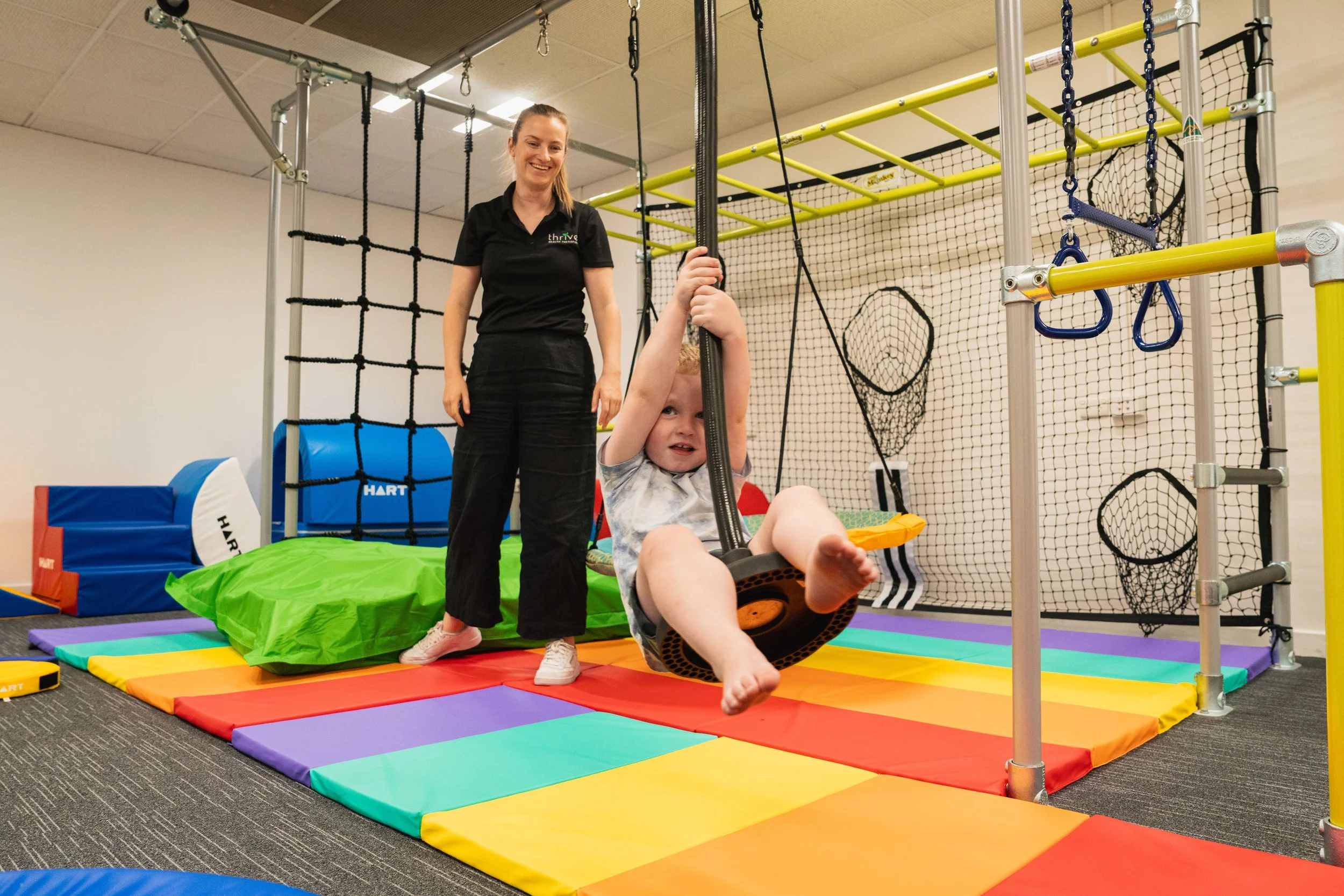
Assessments are also available at our accessible clinic at 184 Findon Road, Findon. Clinic appointments may be suitable when a home assessment is not required or when the participant benefits from completing the appointment in a dedicated clinical environment.
At Home

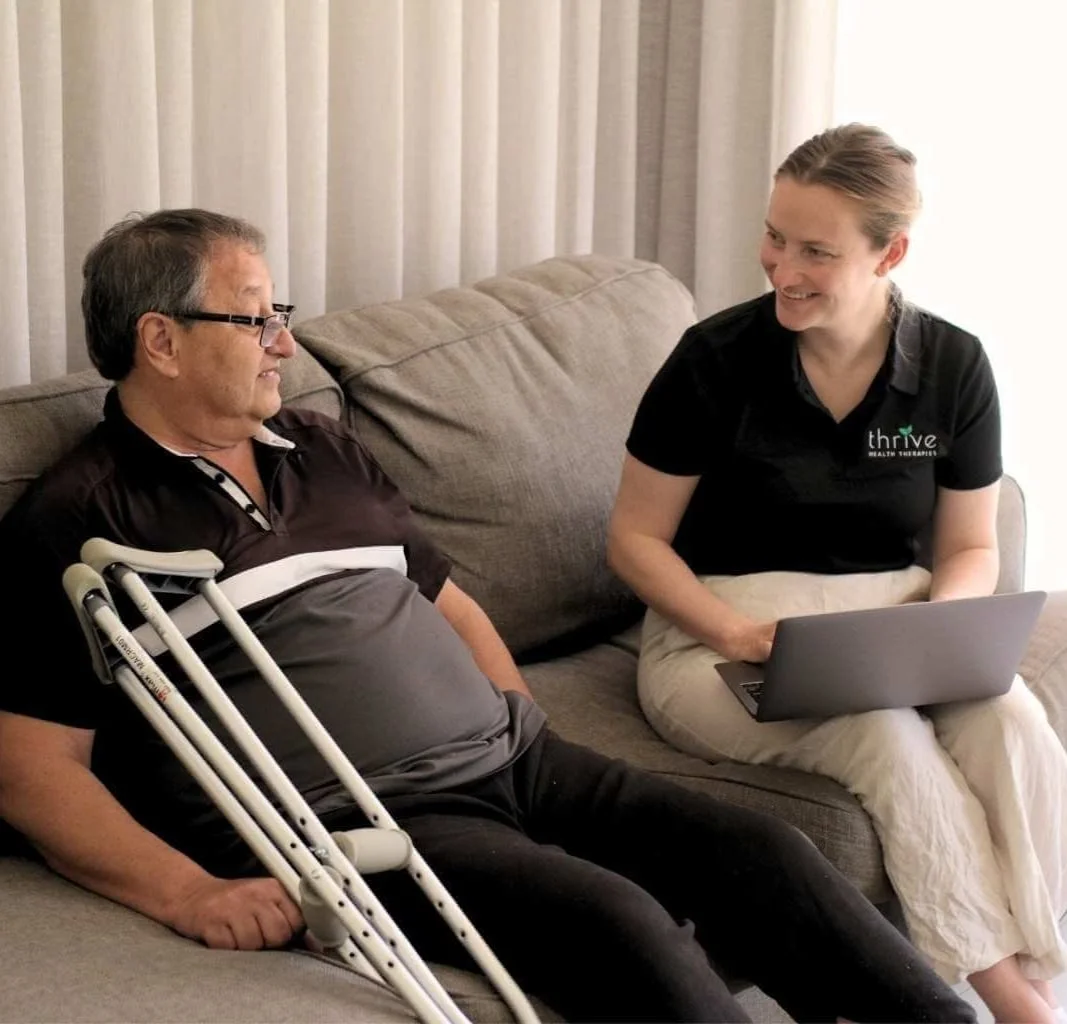
Our OTs complete home-based Functional Capacity Assessments across metropolitan Adelaide. An assessment in the participant’s usual environment allows the therapist to understand how they complete daily activities and identify any environmental barriers, safety concerns or equipment needs.
In the community

Where appropriate, the occupational therapist may assess relevant activities in community, educational or other everyday environments.
Telehealth Functional Assessments

Some components of a Functional Capacity Assessment may be completed by telehealth where clinically appropriate.
Whether the entire assessment can be completed remotely depends on the participant’s communication, functional needs, available information and the purpose of the report.
Why Choose Thrive Health Therapies?
Experienced Occupational Therapists: Our occupational therapists have experience completing Functional Capacity Assessments for participants with varied physical, neurological, developmental, intellectual and psychosocial disabilities.
Individualised Assessments: Every assessment is tailored to the participant’s abilities, circumstances, environment, goals and reason for referral.
Detailed, Evidence-Based Reports: Our reports explain the functional impact of disability and provide clear recommendations supported by clinical assessment and relevant evidence.
Home and Clinic Appointments: Assessments are available in homes across metropolitan Adelaide and at our accessible Findon clinic.
Participant Involvement: Participants and their nominated representatives are involved throughout the assessment process and can review the report before it is finalised.
Collaborative Approach: With consent, our occupational therapists can gather information from family members, carers, support workers, educators and other health professionals.
Inclusive and Neuroaffirming Practice: We welcome people of all backgrounds, genders, sexualities, cultures, bodies and abilities. Our therapists respect different ways of thinking, communicating and experiencing the world.

Functional Capacity Assessment Adelaide FAQs
If you can’t find an answer to your question, please contact our friendly team on 0474 248 081 or email enquiries@thrivehealththerapies.com
-
We provide Functional Capacity Assessments for children, teenagers and adults with a range of disabilities. The suitability of an FCA depends on the person’s needs, circumstances and reason for referral.
-
A medical referral is not usually required for an NDIS-funded or privately funded FCA. Participants, families, support coordinators and other health professionals can make a referral directly.
-
If available, bring:
Your current NDIS plan
Recent medical or allied health reports
Information about your current formal and informal supports
A list of equipment or assistive technology you use
Relevant information about your home, education, employment or community activities
You may also bring a family member, carer, support worker or other trusted person.
-
The initial assessment commonly takes approximately 1.5 to 2 hours, but this varies according to the participant’s needs and the complexity of the assessment.
Additional time is required for reviewing information, consulting with relevant people, completing assessment measures and preparing the report.
-
The timeframe depends on the complexity of the assessment, the information required and whether consultation with other people is needed. Our team will explain the expected timeframe before the assessment begins.
-
Yes. Our occupational therapists provide home-based assessments across metropolitan Adelaide. Assessing someone in their usual environment can help the therapist understand how they manage everyday activities and identify environmental barriers.
-
Some components may be completed by telehealth where clinically appropriate. Whether the entire assessment can be conducted remotely depends on the participant’s needs and the purpose of the report.
-
A Functional Capacity Assessment examines functioning across multiple areas of everyday life and generally results in a detailed report.
A regular occupational therapy assessment may focus on a particular activity, concern, piece of equipment or therapy goal.
-
Yes, where clinically appropriate and agreed upon before the assessment. Home and Living assessments may require additional information, consultation and consideration of the participant’s daily support needs and living arrangements.
-
No. A Functional Capacity Assessment provides clinical evidence and recommendations. The NDIA makes decisions about NDIS access, plan funding and individual supports.
-
Yes. Our occupational therapists complete age-appropriate Functional Capacity Assessments for children and teenagers where an FCA is suitable for their needs and circumstances.
-
Participants, parents, carers, support coordinators and health professionals can complete our online referral form.
If you would like to discuss the assessment before referring, call 0474 248 081, email enquiries@thrivehealththerapies.com or complete our online enquiry form.
Ready to get started?
It’s easy!
Referral Form
Fill out our easy online referral form and we’ll be in touch!