Aged Care Occupational Therapy Adelaide
Thrive Health Therapies provides experienced aged care occupational therapy for older adults across Adelaide. Our occupational therapists help people manage everyday activities, improve home safety and maintain their independence as their needs change.
Occupational therapy is available in your home, retirement community, residential aged care facility or at our accessible clinic in Findon. We work collaboratively with older adults, families, carers and aged care providers to develop practical solutions based on what matters most to each person.
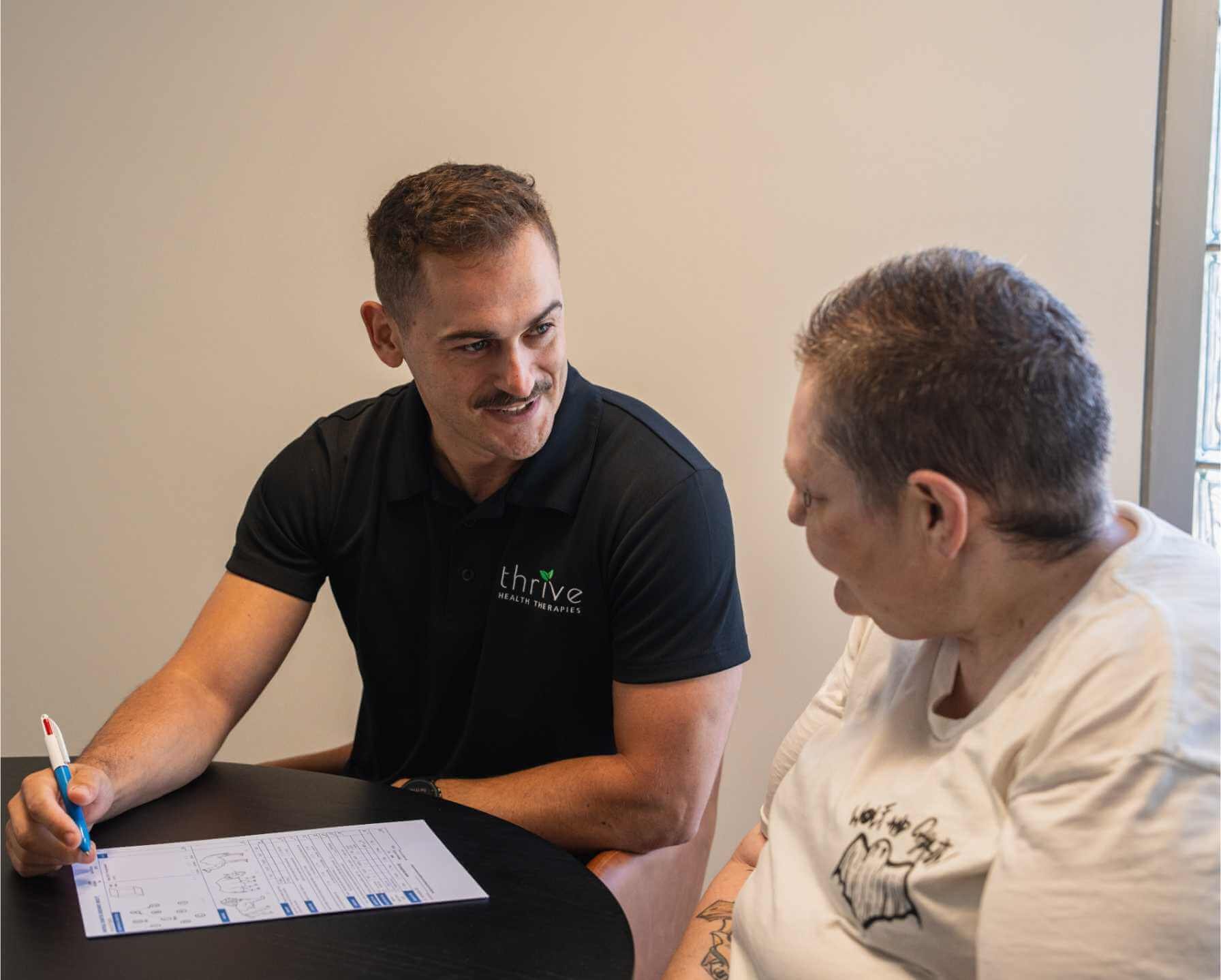
Occupational Therapy for Older Adults Across Adelaide
Thrive Health Therapies provides aged care occupational therapy for older adults throughout metropolitan Adelaide.
Our services include:
Daily living and functional assessments
Home safety and falls prevention
Cognitive and memory strategies
Fatigue and energy conservation
Support following illness, injury or hospitalisation
Carer and support worker education
Occupational therapy through Support at Home
A referral is not usually required for private occupational therapy. Other funding providers may require approval or a referral before services commence.

What Is Aged Care Occupational Therapy?
Aged care occupational therapy helps older adults continue participating in the activities that are important to them.
These activities may include showering, dressing, cooking, completing household tasks, moving safely around the home or accessing the community. An occupational therapist considers the person, the activity and their environment to identify practical ways to improve safety and independence.
Support may involve developing new strategies, adapting how an activity is completed, recommending equipment or making changes to the home environment.
How Can an Occupational Therapist Help an Older Person?
Daily Living and Independence
Changes in strength, mobility, coordination, vision, cognition or energy can make everyday activities more difficult.
An occupational therapist can assess how a person manages activities such as:
Showering and dressing
Toileting
Preparing meals
Completing household tasks
Managing daily routines
Getting in and out of bed or chairs
Accessing appointments and community activities
The occupational therapist can then recommend practical strategies, equipment or environmental changes to make these activities safer and easier.
Home Safety and Falls Prevention
An occupational therapist can assess the home to identify hazards or barriers that may increase the risk of falls or make everyday activities difficult.
Recommendations may include:
Changes to furniture or room layouts
Improving access through entrances and doorways
Safer bathroom and toilet arrangements
Appropriate seating
Falls prevention equipment
Strategies for completing activities safely
Referrals to other health professionals where appropriate
Assistive Technology and Equipment
The right equipment can improve safety, reduce physical effort and help an older person maintain their independence.
Our occupational therapists can assess and recommend equipment such as:
Shower chairs and bath transfer equipment
Over-toilet frames and toilet aids
Bed and chair transfer equipment
Pressure care equipment
Adjustable chairs and beds
Kitchen and daily living aids
Other assistive technology for the home and community
Where required, we can assist with equipment trials, supplier liaison, recommendations and supporting documentation.
Learn more about assistive technology assessments
Home Modifications
Home modifications may help an older person move around their home more safely and continue completing everyday activities.
Depending on individual needs, recommendations may include:
Grab rails and handrails
Ramps and improved access
Bathroom modifications
Changes to showers or toilets
Doorway or entrance modifications
More complex accessibility solutions
Our occupational therapists assess the person’s functional needs and home environment before making recommendations. We can also collaborate with builders, suppliers, family members and funding providers where appropriate.
Learn more about home modification assessments
Support After Hospitalisation, Illness or Injury
Returning home after a hospital admission, operation, injury or period of illness can be challenging.
Occupational therapy may assist with:
Assessing whether the home environment is safe
Identifying equipment needed for discharge
Rebuilding confidence with everyday activities
Developing alternative ways to complete tasks
Supporting safe transfers and personal care
Educating family members and carers
Planning for changing support needs
Cognitive and Memory Support
Changes in memory, attention, planning or problem-solving can affect a person’s safety and ability to manage daily routines.
Occupational therapy may include:
Establishing predictable routines
Using written or visual reminders
Simplifying tasks
Organising the home environment
Introducing memory aids
Supporting medication and appointment routines
Providing strategies for family members and carers
Fatigue and Energy Conservation
Fatigue can make personal care, household tasks and community participation difficult.
An occupational therapist can help a person plan their activities, pace tasks, simplify routines and use equipment to reduce unnecessary effort. The aim is to conserve energy for the activities that are most important to the person.
Carer and Support Worker Education
We can provide practical education to family members, carers and support workers.
This may include advice about:
Supporting independence without taking over
Safe transfers and manual handling
Using prescribed equipment
Setting up the home environment
Supporting daily routines
Responding to changing functional or cognitive needs
Who Can Benefit from Aged Care Occupational Therapy?
Aged care occupational therapy may help older adults who:
Are finding everyday activities more difficult
Have experienced a fall or are worried about falling
Are returning home after hospitalisation
Need equipment or changes to their home
Have reduced strength, mobility or coordination
Are experiencing memory or cognitive changes
Live with chronic pain or fatigue
Want to remain living safely at home
Need support to access their community
Have family members or carers who require practical guidance
A formal diagnosis is not always necessary. Occupational therapy can also assist when a person notices gradual changes in their ability to manage everyday life.
Conditions We Commonly Support
Our occupational therapists work with older adults living with a range of health conditions and age-related changes, including:
Dementia and cognitive impairment
Parkinson’s disease
Stroke and acquired brain injury
Multiple sclerosis
Arthritis and joint pain
Osteoporosis
Frailty and reduced mobility
Falls and balance difficulties
Hip, knee or shoulder replacements
Chronic pain and fatigue
Vision loss
Neuropathy
Respiratory and cardiovascular conditions
Functional changes associated with ageing
Support is based on each person’s functional needs and goals rather than their diagnosis alone.
What Happens During an Aged Care OT Assessment?
Your occupational therapist will begin by discussing your priorities, daily routines and any activities that have become difficult.
The assessment may include:
Reviewing your health history and current supports
Discussing your home environment and routines
Observing relevant everyday activities
Assessing transfers, mobility and home access
Identifying safety concerns or falls risks
Exploring changes in memory or cognition
Reviewing current equipment
Discussing your goals with you and your family
Following the assessment, your occupational therapist will explain their recommendations and discuss the next steps. These may include practical strategies, equipment trials, home modifications, further therapy or education for carers.
Where We Provide Aged Care Occupational Therapy
In Your Home
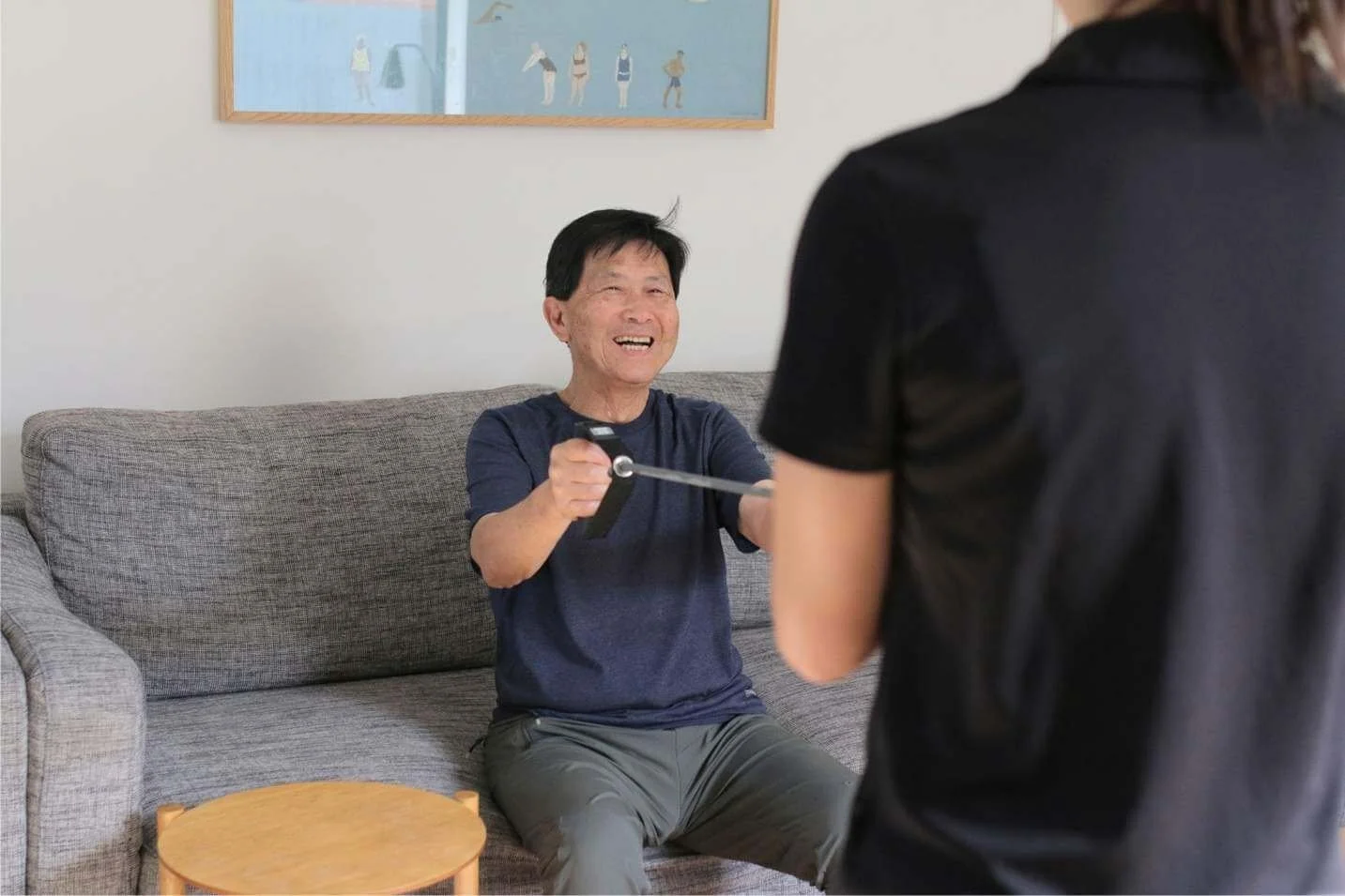
Home visits allow your occupational therapist to assess how you manage everyday activities in your usual environment. Home-based occupational therapy may include:
Functional and home safety assessments
Falls prevention recommendations
Equipment assessments and trials
Home modification assessments
Daily living strategies
Cognitive and memory support
Carer education
Retirement Communities and Residential Aged Care

Our occupational therapists can provide individual appointments in retirement communities and residential aged care facilities across Adelaide, subject to facility requirements and service availability.
Services may include functional assessments, equipment recommendations, seating and pressure care, falls prevention, environmental advice and education for carers or staff.
At Our Findon Clinic
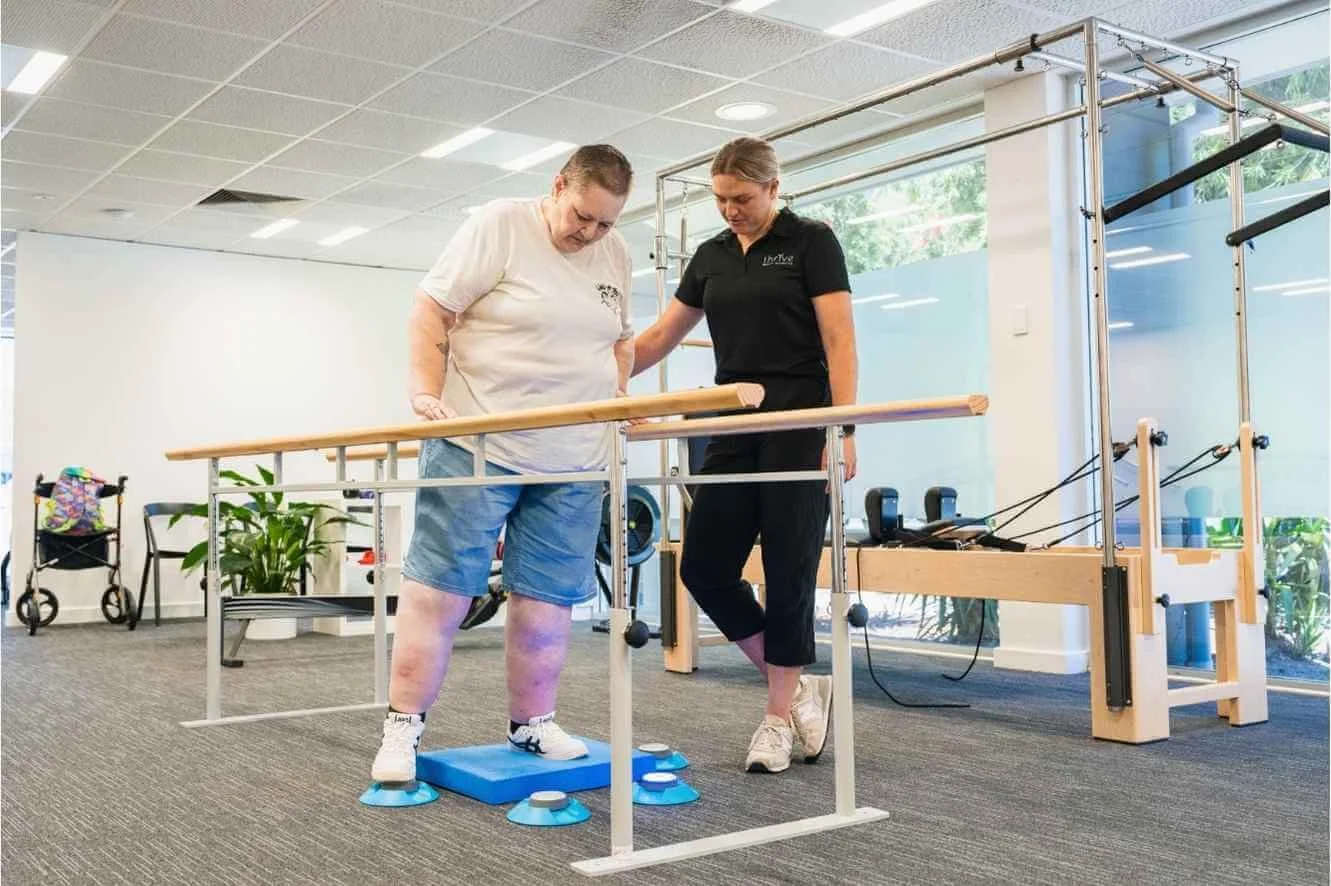
Our accessible clinic is located at 184 Findon Road, Findon. Clinic appointments may be suitable for:
Private occupational therapy consultations
Cognitive assessments
Daily living therapy
Equipment discussions and selected trials
Carer education
Multidisciplinary appointments
Via telehealth

Telehealth may be available for selected appointments, follow-up consultations, education and strategy development.
Your occupational therapist can advise whether telehealth is appropriate for your needs. Assessments involving physical equipment, transfers or the home environment will generally require an in-person appointment.
Support at Home Occupational Therapy
The Australian Government’s Support at Home program replaced the Home Care Packages Program and Short-Term Restorative Care Programme in November 2025.
Occupational therapy is included under Support at Home as a clinical support. Depending on your assessed needs and approved support plan, occupational therapy may help you maintain independence, complete everyday activities safely and continue living at home.
Support at Home occupational therapy may include:
Daily living and functional assessments
Home safety assessments
Falls prevention recommendations
Assistive technology assessment
Home modification assessment
Cognitive and memory strategies
Support following hospitalisation
Carer education
Restorative occupational therapy
The Assistive Technology and Home Modifications scheme may provide separate upfront funding for approved equipment and home modifications that meet an assessed need.
How Do I Access Occupational Therapy Through Support at Home?
To access Support at Home services:
Contact My Aged Care or apply for an aged care assessment.
Complete an assessment of your needs.
Receive a support plan outlining your approved services.
Speak with your Support at Home provider or care partner about engaging Thrive Health Therapies.
Confirm approval, service rates, travel charges and invoicing arrangements before appointments begin.
Your Support at Home provider may need to authorise occupational therapy before services commence.
Under Support at Home, participants do not make contributions towards approved clinical support services. However, equipment, home modifications and other service categories may have different funding and contribution arrangements. Your provider can explain how these apply to your individual support plan.
Funding Options for Aged Care Occupational Therapy
Thrive Health Therapies welcomes clients accessing aged care occupational therapy through:
The National Disability Insurance Scheme (NDIS)
Support at Home
Private health insurance
Private funding
GP Chronic Condition Management Plan (GPCCMP)
Funding availability depends on your individual plan, policy or eligibility.
A GP referral is not required for NDIS-funded or privately funded services. An appropriate GP referral and care plan are required to claim eligible Medicare rebates through a GPCCMP.
Why Choose Thrive Health Therapies for Aged Care OT?
Experienced Occupational Therapists: Our occupational therapists have experience supporting adults with physical, neurological, cognitive and age-related conditions.
Mobile Services Across Adelaide: We provide occupational therapy in homes, retirement communities and residential aged care facilities throughout metropolitan Adelaide.
Practical, Individualised Recommendations: Our recommendations are based on the person’s goals, abilities, routines and environment. We focus on realistic changes that support everyday life.
Equipment and Home Modification Expertise: Our team provides assistive technology and home modification assessments ranging from simple daily living equipment to more complex solutions.
Multidisciplinary Support: Our occupational therapists can collaborate with our physiotherapists, speech pathologists and allied health assistants where support from multiple disciplines would be helpful.
Inclusive Services: We welcome people of all backgrounds, cultures, genders, sexualities, bodies and abilities. We aim to provide respectful services that recognise each person’s preferences, identity and life experience.

Frequently Asked Questions
If you can’t find an answer to your question, please contact our friendly team on 0474 248 081 or email enquiries@thrivehealththerapies.com
-
An aged care occupational therapist helps older adults complete everyday activities safely and independently. This may involve changing how an activity is completed, recommending equipment, modifying the home or providing strategies for physical or cognitive changes.
-
Yes. Thrive Health Therapies provides mobile occupational therapy throughout metropolitan Adelaide. Home visits are particularly useful when assessing daily activities, safety, equipment or home modifications.
-
Occupational therapy is included as a clinical support under the Support at Home program. Access depends on your assessed needs, approved support plan and authorisation from your Support at Home provider.
-
Participants do not make contributions towards approved clinical support services under Support at Home. Other services, equipment or home modifications may have different arrangements, so confirm these with your provider.
-
An occupational therapist can assess equipment needs, recommend suitable options and organise trials where appropriate. Depending on the funding arrangement, the OT may also prepare supporting documentation and communicate with suppliers or providers.
-
Yes. Occupational therapists can assess how a person uses their home and recommend modifications to improve safety and access. Recommendations may range from grab rails and ramps to more complex bathroom or access modifications.
-
Occupational therapy can help reduce falls risk by identifying hazards, recommending equipment, modifying the environment and developing safer ways to complete everyday activities. Physiotherapy may also be recommended to address strength, balance and mobility. Learn more about our aged care physiotherapy services
-
Yes. Occupational therapy may help a person with dementia maintain routines, participate in familiar activities and use their home more safely. OTs can also provide environmental strategies and education for family members and carers.
-
Yes. An occupational therapist can help plan a safe return home, assess daily activities and recommend equipment, home changes or strategies to support recovery.
-
Yes. We can provide individual occupational therapy appointments in residential aged care facilities and retirement communities, subject to the facility’s requirements and our service availability.
-
A referral is not usually required for private occupational therapy. Support at Home, DVA, Medicare and other funding arrangements may require approval or a referral before services begin.
-
We provide mobile occupational therapy throughout metropolitan Adelaide and selected surrounding areas, subject to therapist availability. Contact us with your suburb and we can confirm current coverage and anticipated travel charges.
-
Yes. Family members, carers or support workers are welcome to attend with the older person’s consent. Their involvement can be particularly helpful when discussing daily routines, safety concerns and support needs.
-
The time required depends on the purpose and complexity of the assessment. Our team can explain the likely appointment time, reporting requirements and costs before the service begins.
Additional Aged Care Services We Offer
-
Our aged care speech pathology services support older adults to maintain communication, swallowing safety, and overall quality of life as they age. Our experienced speech pathologists work with clients experiencing changes due to conditions such as stroke, dementia, or neurological illness. Through personalised therapy, practical strategies, and collaborative support, we help older adults communicate more effectively, eat and drink safely, and stay connected with the people and routines that matter most.
-
Our aged care physiotherapy services support older adults in maintaining strength, mobility, and independence throughout later life. Working across Adelaide, our experienced physiotherapists help manage pain, improve balance, reduce joint stiffness, and build physical capacity through personalised treatment plans and gentle, goal-focused exercises. Whether at home, in the community, or in aged care settings, we help older adults move confidently and stay active in their daily lives.

Ready to get started?
It’s easy!
Referral Form
Fill out our easy online referral form and we’ll be in touch!