Complex Home Modifications Adelaide
Thrive Health Therapies provides occupational therapy assessments for complex home modifications across metropolitan Adelaide. Our experienced occupational therapists assess how a person moves through and uses their home, identify barriers affecting safety and independence, and recommend individualised structural changes.
Complex home modifications may include accessible bathrooms, permanent ramps, widened doorways, changes to internal layouts, wheelchair access, lifts and other customised building works.
We work collaboratively with clients, families, support coordinators, builders and other relevant professionals throughout the assessment and planning process.
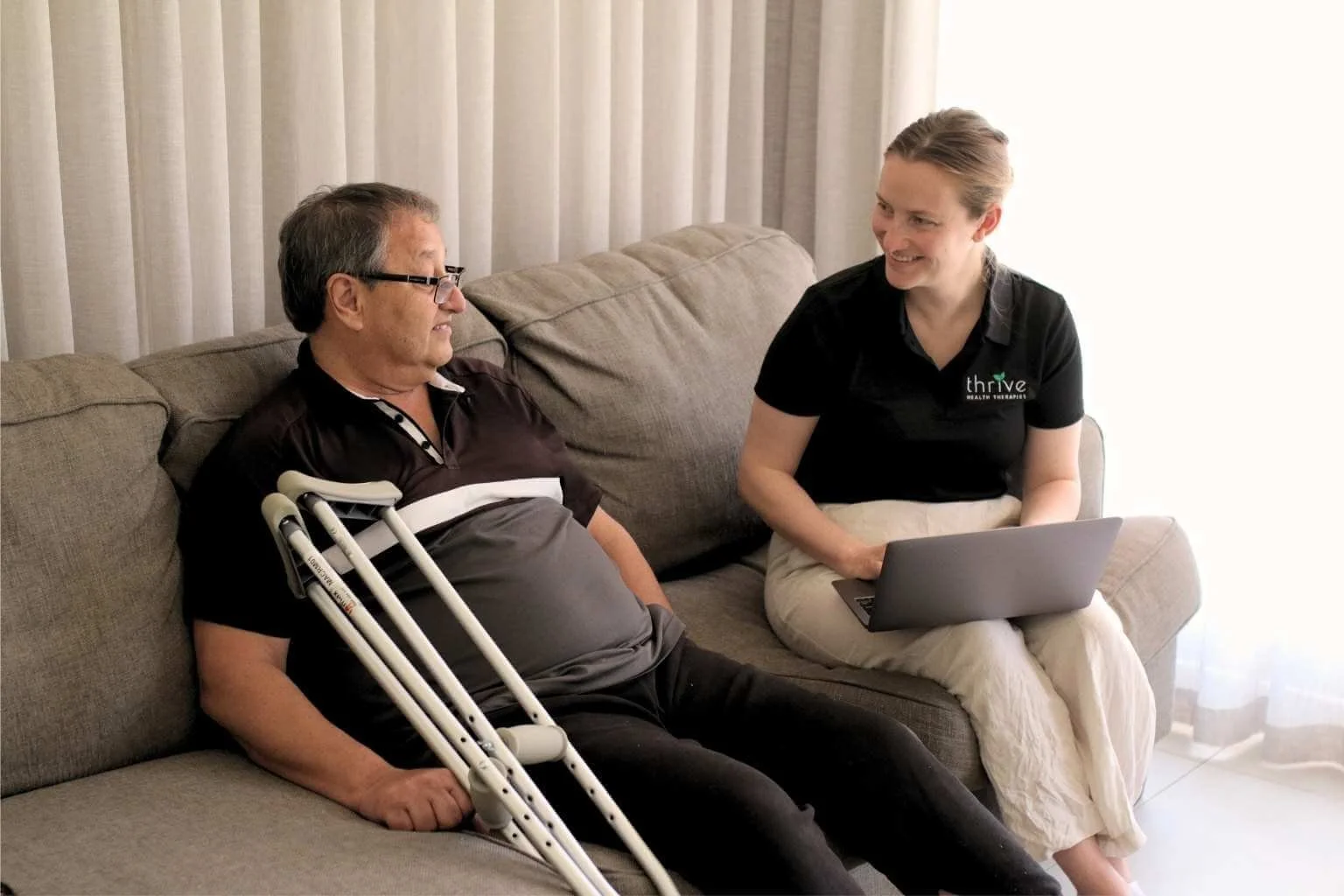
What Are Complex Home Modifications?
Complex home modifications are customised changes to the structure or layout of a home. They are designed to improve accessibility, safety and independence for a person with disability or significant functional limitations.
Unlike minor home modifications, complex modifications often involve structural or technical building work, affect multiple areas of the home or require building approvals and certification.
Complex home modifications generally cost more than $25,000, although a modification costing less may still be considered complex because of its design, risks or technical requirements.
Examples can include:
Structural bathroom modifications
Stepless or level-access showers
Permanent access ramps
Platform lifts or other lifting systems
Widening doorways and circulation spaces
Changes to accommodate a wheelchair or mobility device
Significant plumbing or electrical alterations
Changes to the home’s internal layout
Customised kitchen or laundry modifications
Structural changes that support safer transfers or personal care
The appropriate solution depends on the person’s abilities, home environment, support needs, goals and anticipated future needs.
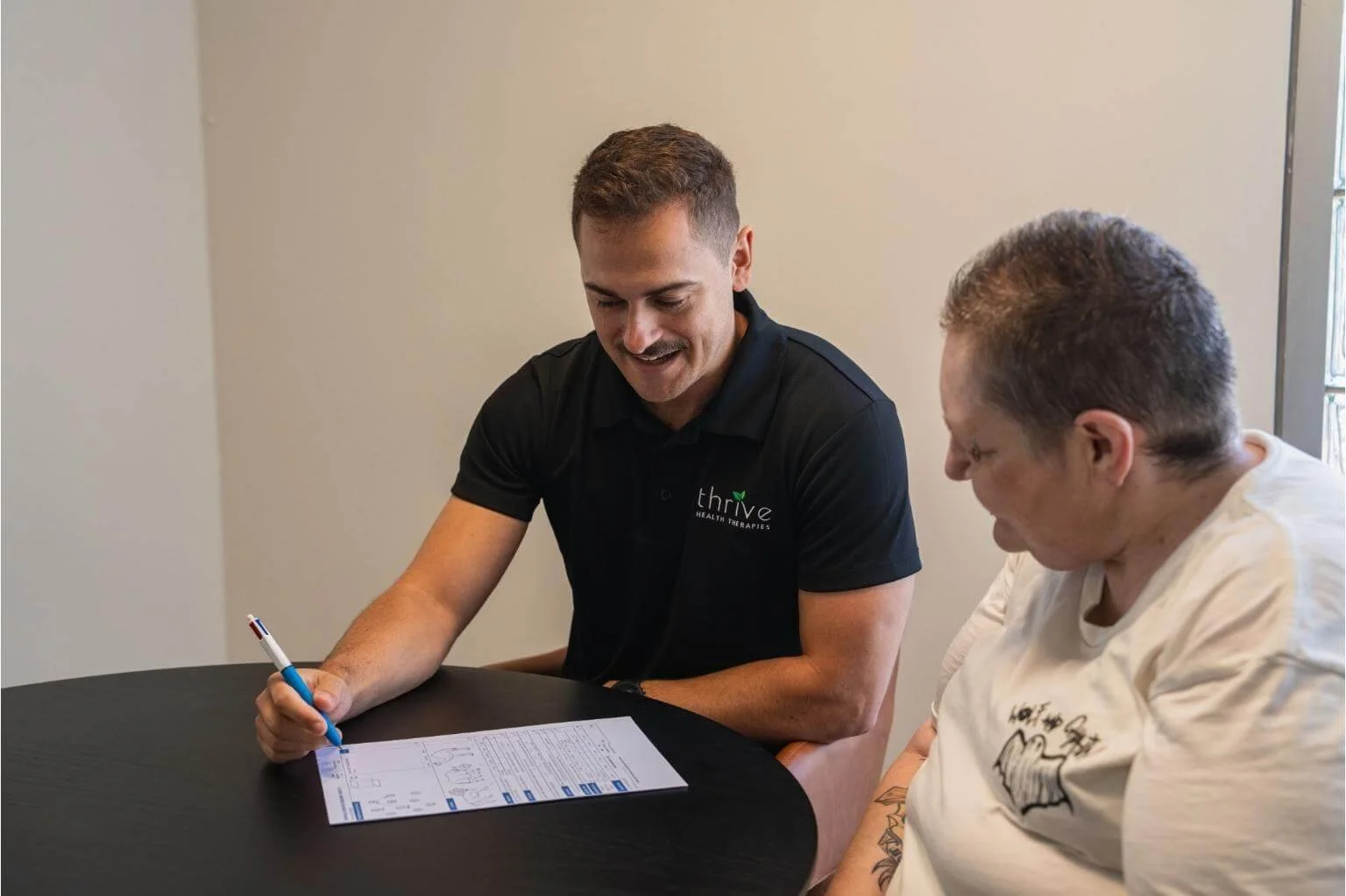
How Does an Occupational Therapist Help With Complex Home Modifications?
An occupational therapist considers the relationship between the person, their daily activities and their home environment.
During a complex home modification assessment, the occupational therapist evaluates how the current home supports or restricts activities such as:
Entering and leaving the home
Moving between rooms
Using a wheelchair or mobility device
Showering, toileting and dressing
Completing transfers
Preparing meals
Accessing essential household areas
Receiving assistance from family members, support workers or carers
Responding safely in an emergency
The occupational therapist then recommends modifications that respond to the person’s functional needs while considering safety, accessibility, available space and the practical use of the home.
For NDIS-funded complex home modifications, the occupational therapist may work alongside a building construction practitioner and other building professionals to help develop an appropriate solution.
Complex Home Modification Assessments in Adelaide
Our occupational therapists complete assessments in the person’s home because the recommendations must reflect the actual environment in which they live.
A complex home modification assessment may include:
Discussing the person’s goals, priorities and daily routines
Reviewing relevant health conditions and functional abilities
Assessing mobility, transfers and personal care tasks
Observing how the person accesses and uses different areas
Considering the needs of family members, carers or support workers
Identifying environmental barriers and safety concerns
Reviewing current equipment and assistive technology
Considering whether equipment or a less extensive modification could meet the need
Exploring modification options with the person and relevant professionals
Documenting clinical reasoning and recommendations
Preparing reports to support funding applications
Reviewing plans or proposed designs
Participating in trials, consultations or site meetings where required
The exact assessment process depends on the complexity of the proposed works, the funding requirements and the professionals involved.
What Complex Home Modifications Can Our OTs Assess?
Accessible Bathroom Modifications
Bathroom modifications may support safer showering, toileting, transfers and personal care. Recommendations could include a level-access shower, altered bathroom layout, accessible fixtures, reinforced walls, improved circulation space or features that allow carers to provide assistance safely.
Ramps and Accessible Entrances
An occupational therapist can assess access into and out of the home, including gradients, landings, doorway thresholds, circulation space and the person’s mobility equipment. Recommendations may include a permanent ramp or another appropriate access solution.
Doorways and Internal Access
Doorways, hallways and room layouts may need to be changed to accommodate a wheelchair, walking aid, transfer equipment or assistance from another person.
Lifts and Changes Between Levels
Where essential areas of the home are located on different levels, an assessment may consider whether a platform lift, stair lift or alternative access solution is appropriate.
Kitchen and Laundry Modifications
Customised changes may improve access to work surfaces, storage, appliances, sinks and other essential areas. Recommendations are based on how the person completes tasks and whether they perform them independently or with assistance.
Bedroom and Transfer Areas
Modifications may be required to create adequate space for transfers, mobility equipment, hoists, adjustable beds or assistance from carers and support workers.
Whole-Home Accessibility
Some projects involve several areas of the home. The occupational therapist considers how the proposed changes work together to support access, safety and daily activities throughout the property.
Our Complex Home Modification Process
1. Initial Discussion
Our team gathers information about the proposed modification, the person’s needs, their funding and the stage the project has reached. This helps us determine whether one of our occupational therapists is appropriately matched to the referral.
2. In-Home Assessment
The occupational therapist visits the home to understand the person’s functional needs, daily activities, current supports and environmental barriers.
3. Exploration of Suitable Options
The occupational therapist considers possible solutions, including whether assistive technology, minor modifications or complex structural changes would best address the identified needs.
4. Collaboration With Relevant Professionals
Complex projects may involve collaboration with a building construction practitioner, builder, designer, architect, engineer, support coordinator, equipment supplier or other relevant professional.
5. Occupational Therapy Report
The occupational therapist prepares a report explaining the person’s functional needs, identified barriers, recommended modifications and the clinical reasoning supporting those recommendations.
6. Design and Documentation Review
Where included in the agreed scope of service, the occupational therapist may review plans or specifications to check that the proposed design addresses the person’s assessed needs.
7. Review During and After the Works
Depending on the project and funding arrangements, the occupational therapist may participate in further consultations or reviews during the project and after completion.
Because complex home modifications differ considerably, we will explain the anticipated assessment process and scope of our involvement before services begin.
NDIS Complex Home Modifications
Complex home modifications may be funded through the NDIS when they relate to a participant’s disability support needs and meet the applicable funding criteria.
The NDIS describes complex home modifications as changes that are often structural and custom-built, have a higher level of risk, affect multiple areas of a home or involve highly technical work. They generally cost more than $25,000, although some projects under this amount may still be complex.
The NDIS requires a suitably skilled and experienced occupational therapist acting as a home modification assessor to assess and recommend home modification supports. Complex projects may also require the involvement of an independent building construction practitioner, appropriately qualified tradespeople and, for some major projects, a building works project manager.
Funding decisions are made by the NDIA. An occupational therapy assessment and report provide evidence about the participant’s functional needs and the reasons the recommended modifications are required.
You can read the current NDIS guidance on complex home modifications.
What Is Considered When Recommending a Modification?
A complex home modification recommendation involves more than identifying a physical obstacle. Our occupational therapists may consider:
The person’s current functional abilities
Their disability-related needs
Mobility and transfer requirements
Current and anticipated equipment
Personal care and daily living activities
Risks to the person and others
The assistance provided by carers or support workers
The layout and physical structure of the home
Alternative equipment or modification options
The person’s goals and preferences
Likely changes in function or support needs
Whether the proposed solution will remain useful over time
Relevant funding and documentation requirements
The objective is to recommend a practical solution that supports the person’s everyday life, not simply to redesign the property.
Who May Need Complex Home Modifications?
Complex home modifications may be considered for people who:
Cannot safely access or leave their home
Cannot use essential rooms or facilities
Need wheelchair-accessible circulation spaces
Experience significant difficulty with showering or toileting
Require assistance or equipment for transfers
Need carers or support workers to provide physical assistance safely
Cannot access different levels of their home
Have current or anticipated accessibility needs that cannot be addressed through minor changes
Require structural changes that are specific to their disability-related needs
Our occupational therapists work with people with a broad range of physical, neurological, cognitive and sensory presentations.
Where Do We Provide Complex Home Modification Assessments?
We provide in-home complex home modification assessments throughout metropolitan Adelaide.
An in-home assessment allows the occupational therapist to observe the existing layout, understand how the person uses the property and identify the specific environmental barriers affecting daily activities.
If you are unsure whether we service your suburb, contact our team to discuss the location and requirements of the referral.
Funding for Complex Home Modification Assessments
We accept referrals through a range of funding arrangements, including:
NDIS funding
Support at Home funding
Department of Veterans’ Affairs
Private payment
Other funding sources by arrangement
Funding requirements and approval processes differ. Complex building works should not commence until the appropriate assessments, approvals and funding arrangements are in place.
Please contact our team if you are unsure whether your funding can be used for a complex home modification assessment.
Why Choose Thrive Health Therapies for Complex Home Modifications?
Experienced Occupational Therapists: Our occupational therapists have experience assessing complex functional needs and recommending both minor and complex home modifications.
Assessment in Your Home: We assess the person within their actual living environment so recommendations reflect their daily activities, equipment, available space and support arrangements.
Individualised Recommendations: Every recommendation is based on the person’s assessed needs and goals. We do not use a standard solution for every home or disability.
Collaborative Approach: We work with the person and, where appropriate, their family, carers, support coordinator, building professionals and other members of their care team.
Understanding of NDIS Requirements: Our occupational therapists understand the importance of clearly documenting functional needs, environmental barriers, alternative options and the clinical reasoning supporting complex home modification recommendations.
Adelaide-Based Allied Health Team: Thrive Health Therapies provides occupational therapy and other allied health services across metropolitan Adelaide, supported by our clinic in Findon.
Frequently Asked Questions About Complex Home Modifications
If you can’t find the answer you’re looking for, contact our friendly team on 0474 248 081 or email enquiries@thrivehealththerapies.com
-
A complex home modification is a customised change to a home that involves structural, technical or higher-risk building work. It may affect several areas of the home and commonly requires detailed planning, building professionals, approvals and certification.
-
Minor home modifications are generally straightforward, non-structural and relatively low risk. Complex home modifications are more likely to involve structural changes, customised designs, multiple areas of the home or technical building work. Cost is relevant, but the nature and risk of the proposed work also determine whether a modification is complex.
-
The cost depends on the property, design and extent of the required work. Under current NDIS guidance, complex home modifications generally cost more than $25,000, although a project below this amount may still be considered complex because of its nature or risk.
-
Home modification assessments are completed by occupational therapists with suitable skills, qualifications and experience. Complex projects may also require input from an independent building construction practitioner and other appropriately qualified building professionals.
-
The occupational therapist assesses the person’s functional abilities, daily activities, mobility, transfers, equipment, support needs and the barriers created by the existing home environment. They use this information to recommend modifications that support accessibility, safety and independence.
-
You should ensure the necessary assessment, funding and approval requirements are completed before commencing NDIS-funded building work. Complex home modifications may require reports, plans, cost estimates or itemised quotes and input from other building professionals.
-
The occupational therapist’s primary role is to assess the person’s functional needs and recommend appropriate modifications. The other professionals involved, including builders, designers, building construction practitioners or project managers, will depend on the project and funding arrangements. We will clarify our role and scope before services begin.
-
A rental property can only be modified with the property owner’s agreement. Funding bodies may also require written consent and other documentation before considering or approving modifications.
-
Yes. Thrive Health Therapies provides occupational therapy assessments for minor and complex home modifications. If you are unsure which category applies, our team can discuss the proposed works with you.
-
A medical referral is not generally required for private or NDIS-funded occupational therapy. However, the relevant funding body may require prior approval or specific supporting documentation.
-
Yes. We provide in-home complex home modification assessments throughout metropolitan Adelaide. Contact us to confirm availability in your suburb.
Ready to get started?
It’s easy!
Referral Form
Fill out our easy online referral form and we’ll be in touch!