Aged Care Speech Pathology Adelaide
Supporting Older Adults Across Adelaide With Communication and Swallowing Needs
Thrive Health Therapies provides experienced aged care speech pathology for older adults across Adelaide. Our speech pathologists support people experiencing changes in communication, speech, voice, cognition, eating, drinking or swallowing.
Services are available in your home, retirement community, residential aged care facility or at our accessible clinic in Findon. We work collaboratively with older adults, families, carers, aged care staff and other health professionals to provide practical support based on each person’s needs and goals.

Speech Pathology for Older Adults Across Adelaide
Thrive Health Therapies provides speech pathology for older adults throughout metropolitan Adelaide.
Our aged care speech pathology services include:
Communication assessments and therapy
Speech and language rehabilitation
Swallowing assessments and dysphagia management
Mealtime safety recommendations
Voice assessment and therapy
Carer and aged care staff education
Support following stroke, illness or hospitalisation
Support at Home speech pathology
A referral is not usually required for private speech pathology. Other funding providers may require approval or a referral before services commence.

What Is Aged Care Speech Pathology?
Aged care speech pathology supports older adults experiencing difficulties with communication or swallowing.
Communication difficulties may affect a person’s speech, language, voice, memory, attention or ability to participate in conversations. Swallowing difficulties, also known as dysphagia, can affect a person’s ability to eat, drink or take medication safely and comfortably.
A speech pathologist can assess these concerns, provide therapy and recommend practical strategies to support safety, independence and quality of life.
How Can a Speech Pathologist Help an Older Person?
Communication Support
Changes in speech or language can make it difficult for a person to express their thoughts, understand others or participate in conversations.
Speech pathology may assist with:
Speech clarity
Finding and using words
Understanding spoken or written information
Reading and writing
Following conversations
Expressing choices and needs
Communicating in social situations
Developing strategies for family members and carers
Therapy focuses on communication that is meaningful in the person’s everyday life.
Swallowing Assessments and Dysphagia Management
Swallowing difficulties can occur following a stroke, neurological condition, illness, surgery or general changes in health.
Signs of swallowing difficulty may include:
Coughing or choking during meals
A wet or gurgly voice after eating or drinking
Food or medication feeling stuck
Difficulty chewing
Taking a long time to finish meals
Avoiding certain foods or drinks
Unexplained weight loss or dehydration
Recurrent chest infections
Increased effort or fatigue during meals
A speech pathologist can complete a clinical swallowing assessment and recommend strategies to support safer, more comfortable mealtimes.
Recommendations may include changes to positioning, pacing, mealtime assistance, food textures or fluid consistency. Where an instrumental swallowing assessment is required, the speech pathologist can discuss the appropriate referral pathway.
Learn more about swallowing assessments
Speech and Language Rehabilitation
Stroke, acquired brain injury and neurological conditions can affect a person’s ability to speak, understand language, read or write.
Speech and language rehabilitation may focus on:
Improving speech clarity
Strengthening language skills
Supporting word-finding
Developing alternative communication strategies
Practising everyday conversations
Communicating needs and making decisions
Increasing confidence in social situations
Cognitive-Communication Support
Changes in memory, attention, organisation or problem-solving can affect communication and daily activities.
A speech pathologist may provide strategies for:
Remembering important information
Following instructions or conversations
Organising thoughts
Staying on topic
Planning what to say
Managing appointments and routines
Communicating when tired or overwhelmed
Support is adapted to the person’s abilities, environment and everyday communication needs.
Voice Therapy
Ageing, illness and neurological conditions such as Parkinson’s disease can affect voice volume, strength or clarity.
Voice therapy may help a person:
Speak more clearly
Improve voice volume
Reduce vocal strain
Use their breath more effectively
Communicate more confidently
Develop strategies for everyday conversations
A medical assessment may be recommended if further investigation of a voice change is required.
Augmentative and Alternative Communication
Augmentative and alternative communication, commonly called AAC, includes tools and strategies that support or replace spoken communication.
AAC may include:
Communication boards or books
Written keywords
Picture-based systems
Alphabet boards
Communication applications
Speech-generating devices
Partner-assisted communication strategies
A speech pathologist can help identify an appropriate communication method and provide training for the person, family members and carers.
Carer and Aged Care Staff Education
Families, carers and aged care staff play an important role in supporting communication and mealtime safety.
Education may include:
Communication strategies
Allowing additional time to respond
Supporting people with aphasia or dementia
Recognising signs of swallowing difficulty
Following mealtime recommendations
Positioning and pacing during meals
Using communication aids
Knowing when further assessment is required
Who Can Benefit from Aged Care Speech Pathology?
Aged care speech pathology may help older adults who:
Have difficulty speaking clearly
Have trouble finding or understanding words
Find conversations more difficult
Have experienced changes in their voice
Cough or choke when eating or drinking
Take longer to finish meals
Have difficulty chewing or swallowing medication
Are recovering from a stroke, illness or hospitalisation
Have memory or cognitive changes affecting communication
Need an alternative way to communicate
Have carers or staff who require practical guidance
A person does not always need a formal diagnosis to benefit from an assessment.
Conditions We Commonly Support
Our speech pathologists work with older adults living with conditions including:
Stroke
Acquired brain injury
Dementia and Alzheimer’s disease
Parkinson’s disease
Multiple sclerosis
Motor neurone disease
Progressive neurological conditions
Head and neck conditions
Voice disorders
Respiratory conditions affecting communication or swallowing
Cognitive impairment
Age-related frailty
Changes following surgery or hospitalisation
Support is based on the person’s communication and swallowing needs rather than their diagnosis alone.
What Happens During an Aged Care Speech Pathology Assessment?
Your speech pathologist will begin by discussing your concerns, medical history, current supports and goals.
Depending on the reason for referral, the assessment may include:
Discussing changes in communication or swallowing
Assessing speech clarity and language
Reviewing voice quality and volume
Assessing memory and cognitive communication
Observing eating and drinking
Reviewing current food and fluid recommendations
Discussing communication with family and carers
Identifying practical goals
Following the assessment, your speech pathologist will explain their findings and recommendations. These may include therapy, communication strategies, mealtime recommendations, carer education or referral for further assessment.
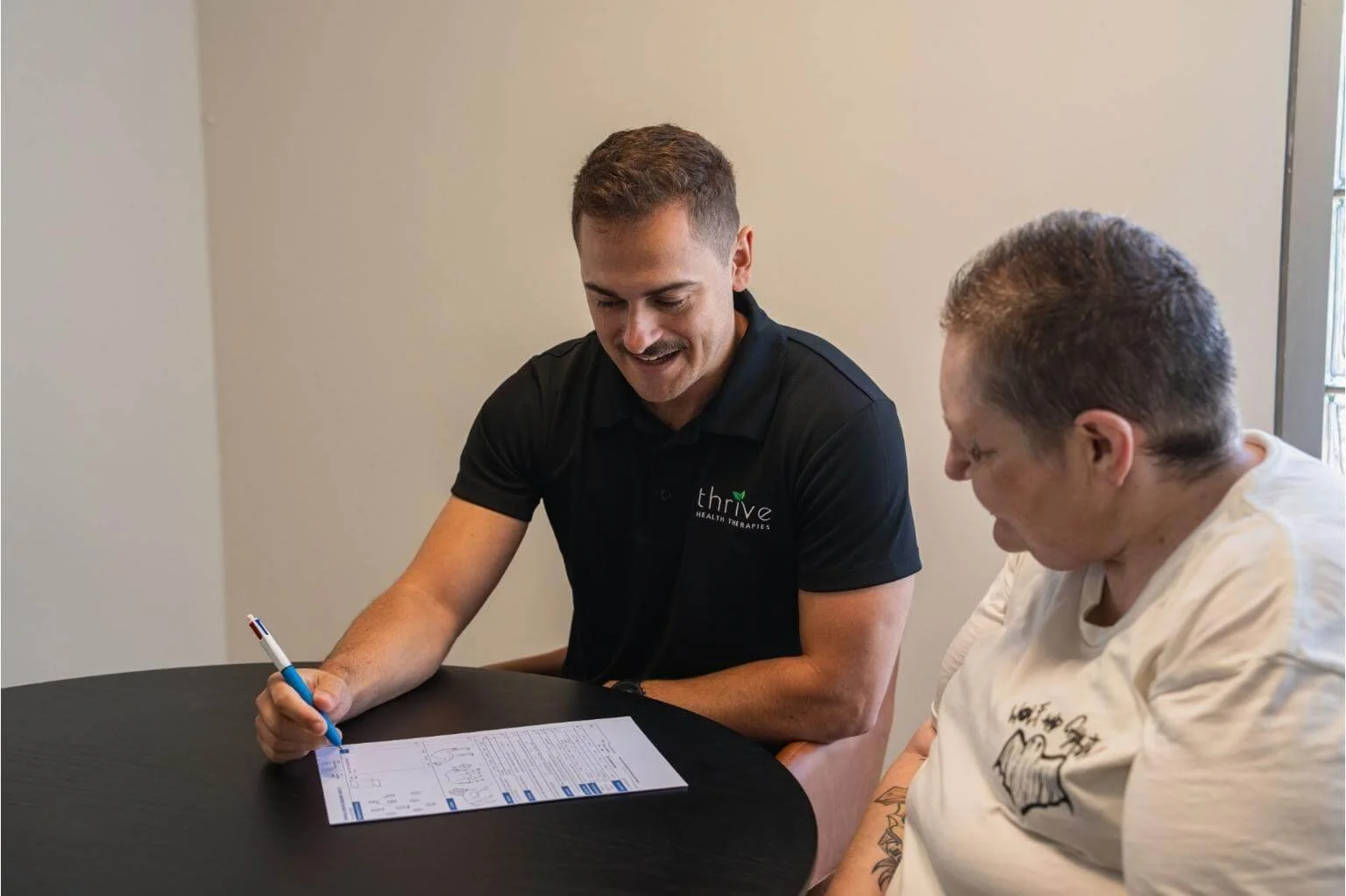
Where We Provide Aged Care Speech Pathology
In Your Home

Home visits are particularly helpful when mobility, fatigue or transport makes attending a clinic difficult. They also allow the speech pathologist to assess communication and mealtimes in the person’s usual environment. Home-based services may include:
Communication assessments and therapy
Swallowing assessments
Mealtime observations
Voice therapy
Cognitive-communication support
AAC assessment and training
Carer education
Retirement Communities and Residential Aged Care
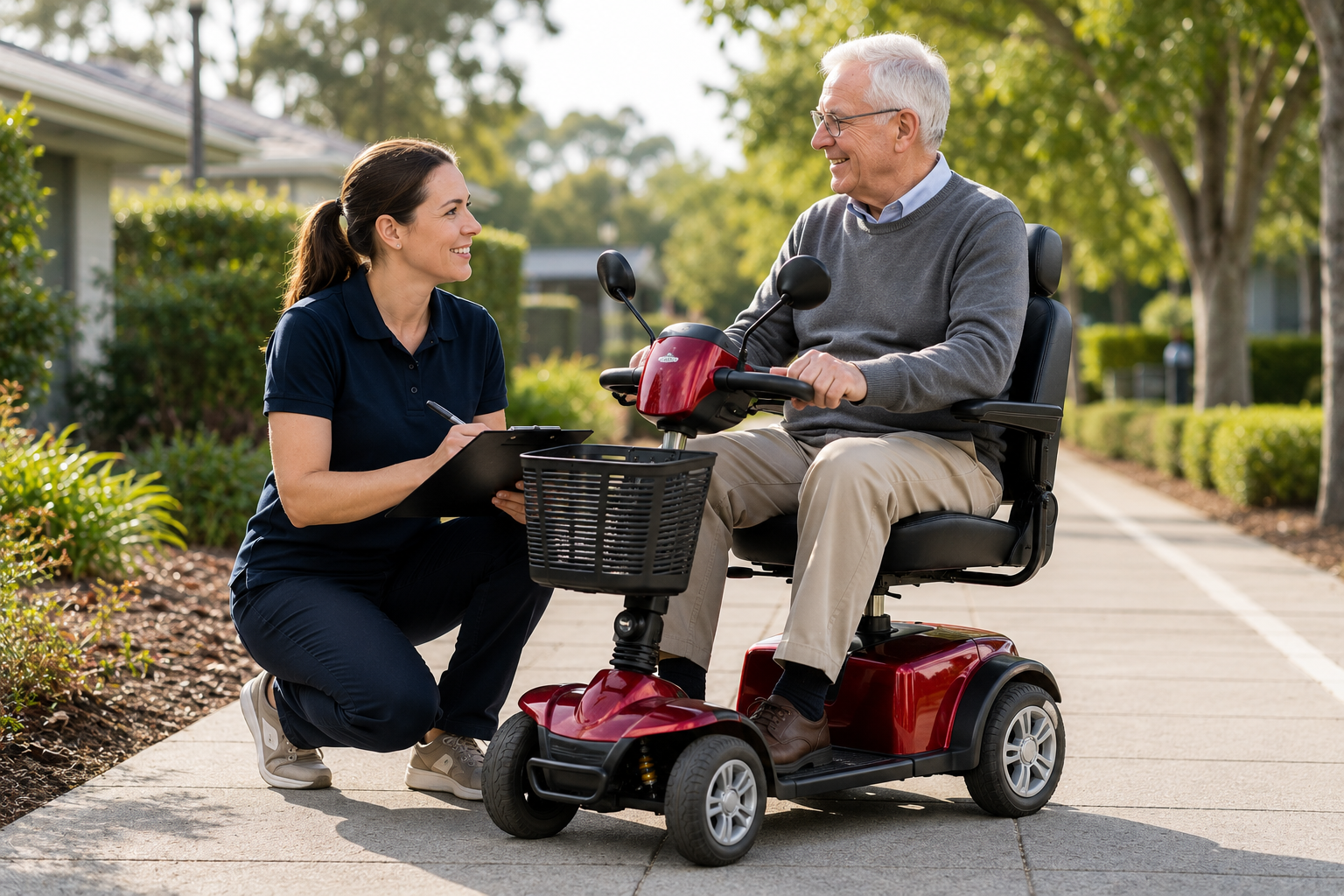
Our speech pathologists can provide individual appointments in retirement communities and residential aged care facilities across Adelaide, subject to facility requirements and service availability.
Services may include communication assessments, swallowing assessments, mealtime recommendations, AAC support and education for family members, carers or staff.
At Our Findon Clinic
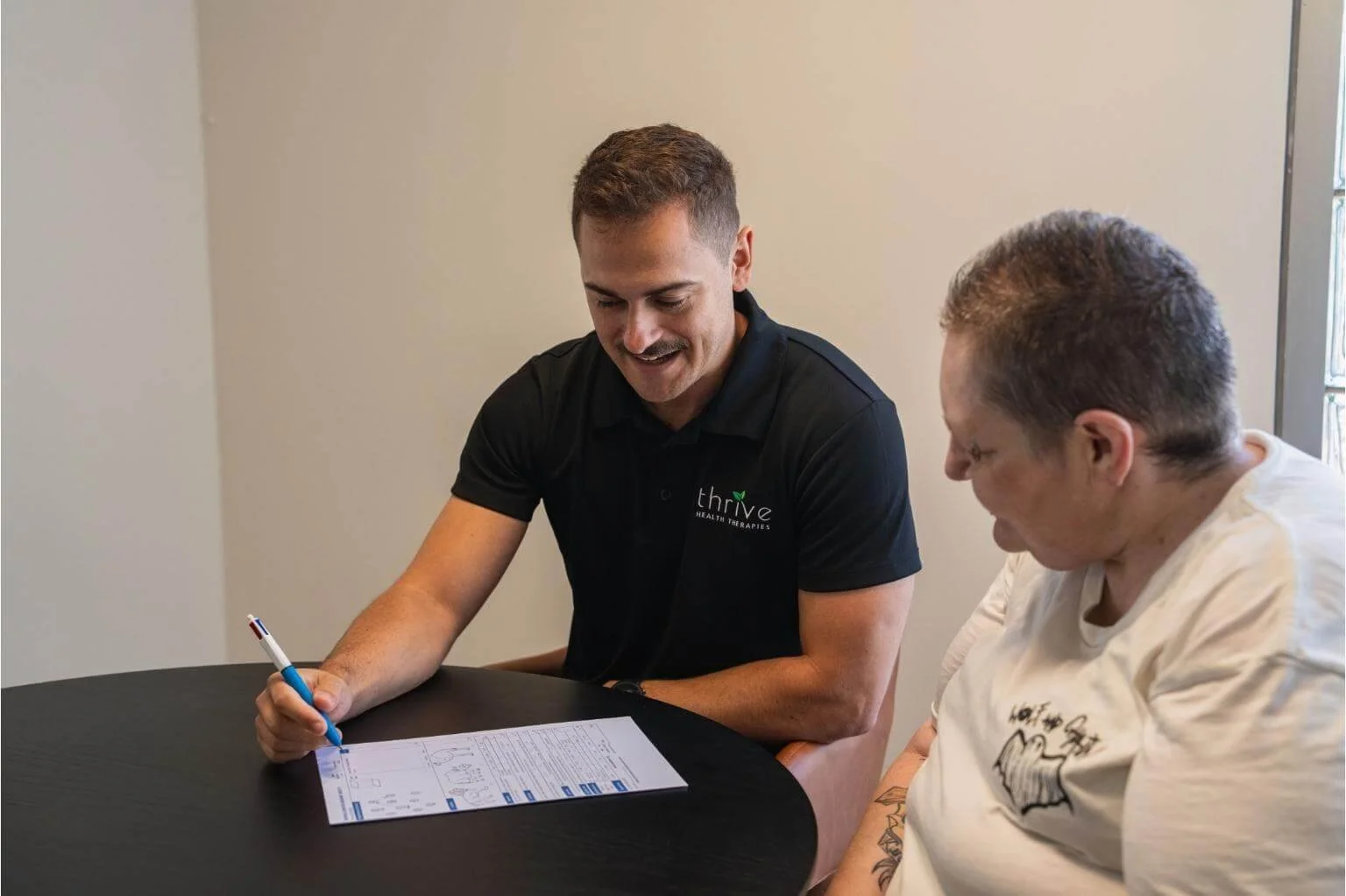
Our accessible clinic is located at 184 Findon Road, Findon.
Clinic appointments may be suitable for:
Communication assessments
Speech and language therapy
Voice therapy
Cognitive-communication support
AAC assessment and training
Family and carer education
Via telehealth

Telehealth may be available for selected therapy sessions, follow-up appointments, family consultations and carer education.
Your speech pathologist can advise whether telehealth is appropriate. Some assessments, particularly initial swallowing assessments, may require an in-person appointment.
Support at Home Speech Pathology
The Australian Government’s Support at Home program replaced the Home Care Packages Program and Short-Term Restorative Care Programme in November 2025.
Speech pathology is included under Support at Home as an allied health clinical support. Depending on your assessed needs and approved support plan, speech pathology may help you maintain communication, manage swallowing difficulties and remain safe and independent at home.
Support at Home speech pathology may include:
Communication assessment and therapy
Swallowing assessment and management
Mealtime safety recommendations
Cognitive-communication strategies
Voice therapy
AAC assessment and training
Education for family members and carers
Restorative speech pathology following illness or hospitalisation
How Do I Access Speech Pathology Through Support at Home?
To access Support at Home speech pathology:
Contact My Aged Care or apply for an aged care assessment.
Complete an assessment of your needs.
Receive a support plan outlining your approved services.
Speak with your Support at Home provider or care partner about engaging Thrive Health Therapies.
Confirm approval, service rates, travel charges and invoicing arrangements before appointments begin.
Your Support at Home provider may need to authorise speech pathology before services commence.
Participants do not make contributions towards approved clinical support services under Support at Home. Other service categories may have different contribution arrangements, so these should be confirmed with your provider.
Funding Options for Aged Care Speech Pathology
Thrive Health Therapies welcomes clients accessing aged care speech pathology through:
The National Disability Insurance Scheme (NDIS)
Support at Home
Private health insurance
Private funding
GP Chronic Condition Management Plan (GPCCMP)
Funding availability depends on your individual plan, policy or eligibility.
A GP referral is not required for NDIS-funded or privately funded services. An appropriate GP referral and care plan are required to claim eligible Medicare rebates through a GPCCMP.
Why Choose Thrive Health Therapies for Aged Care Speech Pathology?
Experienced Speech Pathologists: Our speech pathologists provide evidence-based assessment and therapy for adults with communication, cognitive and swallowing needs.
Mobile Services Across Adelaide: We provide speech pathology in homes, retirement communities and residential aged care facilities throughout metropolitan Adelaide.
Practical, Individualised Support: Recommendations are based on the person’s needs, preferences, daily routines and environment.
Communication and Swallowing Support: Our speech pathologists can assist with both communication and swallowing, allowing related concerns to be considered together.
Collaborative Care: We can work with family members, carers, aged care staff, GPs and other health professionals to provide coordinated support.
Multidisciplinary Services: Our speech pathologists can collaborate with our occupational therapists, physiotherapists and allied health assistants where support from multiple disciplines would be beneficial.
Inclusive Services: We welcome people of all backgrounds, cultures, genders, sexualities, bodies and abilities. We aim to provide respectful services that recognise each person’s identity, preferences and life experience.
Frequently Asked Questions
If you can’t find an answer to your question, please contact our friendly team on 0474 248 081 or email enquiries@thrivehealththerapies.com
-
An aged care speech pathologist assesses and supports communication and swallowing difficulties in older adults. This may include speech therapy, language rehabilitation, swallowing management, voice therapy, cognitive-communication strategies and carer education.
-
Yes. Thrive Health Therapies provides mobile speech pathology throughout metropolitan Adelaide. Home visits are particularly helpful for swallowing and mealtime assessments because they allow the speech pathologist to observe the person in their usual environment.
-
Speech pathology is included as an allied health clinical support under the Support at Home program. Access depends on your assessed needs, approved services and authorisation from your Support at Home provider.
-
Possible signs include coughing or choking during meals, a wet-sounding voice after swallowing, difficulty chewing, food feeling stuck, avoiding certain textures, prolonged mealtimes, weight loss, dehydration or recurrent chest infections.
-
Yes. A speech pathologist may provide strategies to support understanding, expression, conversation and participation. They can also assess swallowing and provide practical education for family members and carers.
-
Yes. Speech pathology can support people experiencing changes in speech, language, cognition or swallowing following a stroke. Therapy and recommendations are tailored to the person’s needs and recovery goals.
-
A speech pathologist may recommend changes to food texture or fluid consistency following an appropriate swallowing assessment. Recommendations should be individualised and reviewed when the person’s needs change.
-
Yes. We can complete clinical swallowing assessments and mealtime observations in residential aged care facilities, retirement communities and private homes, subject to availability and facility requirements.
-
Yes. We can provide education about communication strategies, swallowing difficulties, mealtime recommendations and the use of communication supports.
-
A referral is not usually required for private speech pathology. Support at Home, DVA, Medicare and other funding arrangements may require prior approval or a referral.
Additional Aged Care Services We Offer
-
Our aged care occupational therapy services support older adults to maintain independence, safety, and quality of life as they age. Our experienced occupational therapists work with clients to overcome challenges related to personal care, household tasks, mobility within the home, and community access. Through personalised interventions, practical strategies, and tailored equipment recommendations, we help older adults live safely and confidently in their chosen environment.
Learn more about our aged care occupational therapy services.
-
Our aged care physiotherapy services support older adults in maintaining strength, mobility, and independence throughout later life. Working across Adelaide, our experienced physiotherapists help manage pain, improve balance, reduce joint stiffness, and build physical capacity through personalised treatment plans and gentle, goal-focused exercises. Whether at home, in the community, or in aged care settings, we help older adults move confidently and stay active in their daily lives.

Ready to get started?
It’s easy!
Referral Form
Fill out our easy online referral form and we’ll be in touch!